For many travelers, staying in a Ryokan (旅館) is the ultimate bucket-list experience in Japan. It is far more than just a place to sleep—it is a total immersion into Japanese culture, hospitality, and aesthetics that no hotel, no matter how luxurious, can replicate. Imagine walking into a room that smells of fresh tatami straw, sliding into a soft cotton yukata robe, and lowering yourself into an outdoor hot spring bath surrounded by moss-covered rocks and the sound of trickling water. Imagine a dinner of twelve exquisite courses served on hand-painted ceramics, each dish a miniature work of art that celebrates the season's finest ingredients. This is the ryokan experience, and once you have had it, every other form of accommodation will feel incomplete by comparison.
While Kyoto is often the first place people think of for traditional inns, Osaka offers a unique and often more accessible range of ryokan experiences. The city's position in the Kansai region gives it proximity to natural hot springs in the surrounding mountains, while its urban core has seen a renaissance of "modern ryokan" concepts—places that combine centuries-old traditions of Japanese hospitality with the comfort and convenience of contemporary design. In 2026, the ryokan scene in and around Osaka has never been stronger, with new properties opening alongside historic establishments that have been welcoming guests for generations.
For Sarah, a 28-year-old American solo traveler, her one night in a ryokan near Osaka became the single most memorable experience of her entire Japan trip. It was not the flashiest or most Instagram-worthy moment—that honor belongs to the neon chaos of Dotonbori at midnight. But it was the moment when she felt she truly understood something about Japan that she could not have learned from a guidebook. The quiet attentiveness of the staff, the ritual of the bath, the beauty of a meal that took three hours to serve—these are experiences that change the way you think about hospitality, about beauty, and about the simple act of being a guest.
In this comprehensive 2026 guide, we will walk you through everything you need to know: from the specific rules of ryokan etiquette to navigating the sometimes complex booking process. Whether you are a solo traveler seeking a night of Zen or a couple looking for a romantic retreat, this guide will help you find the perfect traditional stay.
What Is a Ryokan? (And Why You Need to Try One)
At its heart, a ryokan is a traditional Japanese inn. However, comparing it to a Western-style hotel is like comparing a handcrafted kaiseki dinner to a room service hamburger—both provide sustenance, but the experiences they offer are worlds apart. In a hotel, you pay for a room. In a ryokan, you pay for an experience that encompasses architecture, cuisine, bathing, service, and a philosophy of hospitality that has been refined over centuries.
The Philosophy of Omotenashi
The ryokan experience is built on the foundation of Omotenashi (おもてなし)—the Japanese art of selfless, anticipatory hospitality. This is not the transactional hospitality of a luxury hotel, where service is calibrated to the tip. Omotenashi is deeper: it is the practice of anticipating a guest's needs before they are expressed, of creating comfort through invisible attention to detail. From the moment you remove your shoes at the entrance, you are treated as an honored guest in someone's home.
In a traditional ryokan, your room attendant (Nakai-san) will often serve as your personal guide for the duration of your stay. She will greet you at arrival with a cup of matcha tea and a seasonal sweet. She will prepare your futon bedding in the evening while you are at dinner. She will serve each course of your kaiseki meal personally, explaining the ingredients and the story behind each dish. For Sarah, who had never experienced this level of personal attention, the Nakai-san's quiet, graceful presence was both humbling and deeply moving.
A Journey Through Time
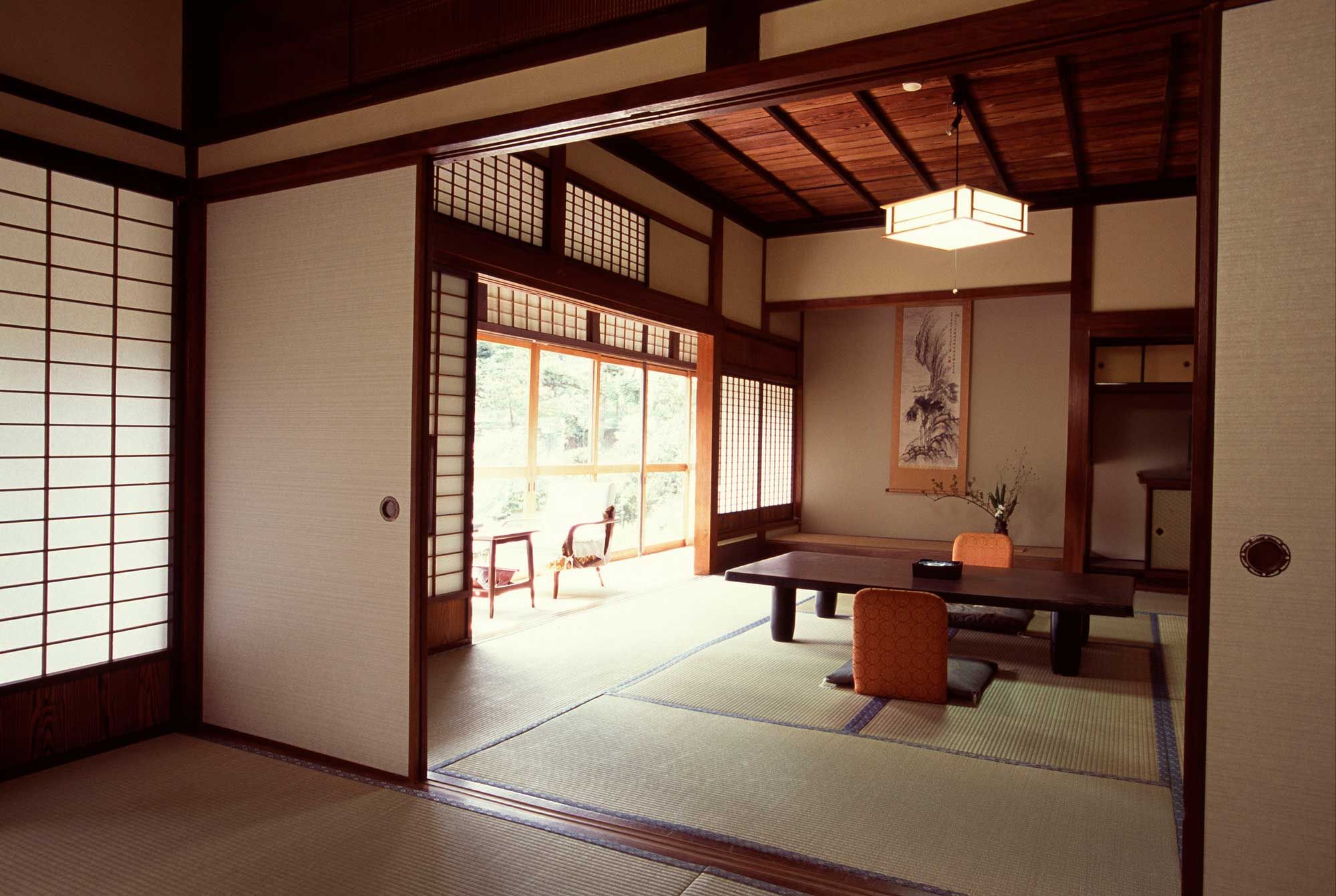
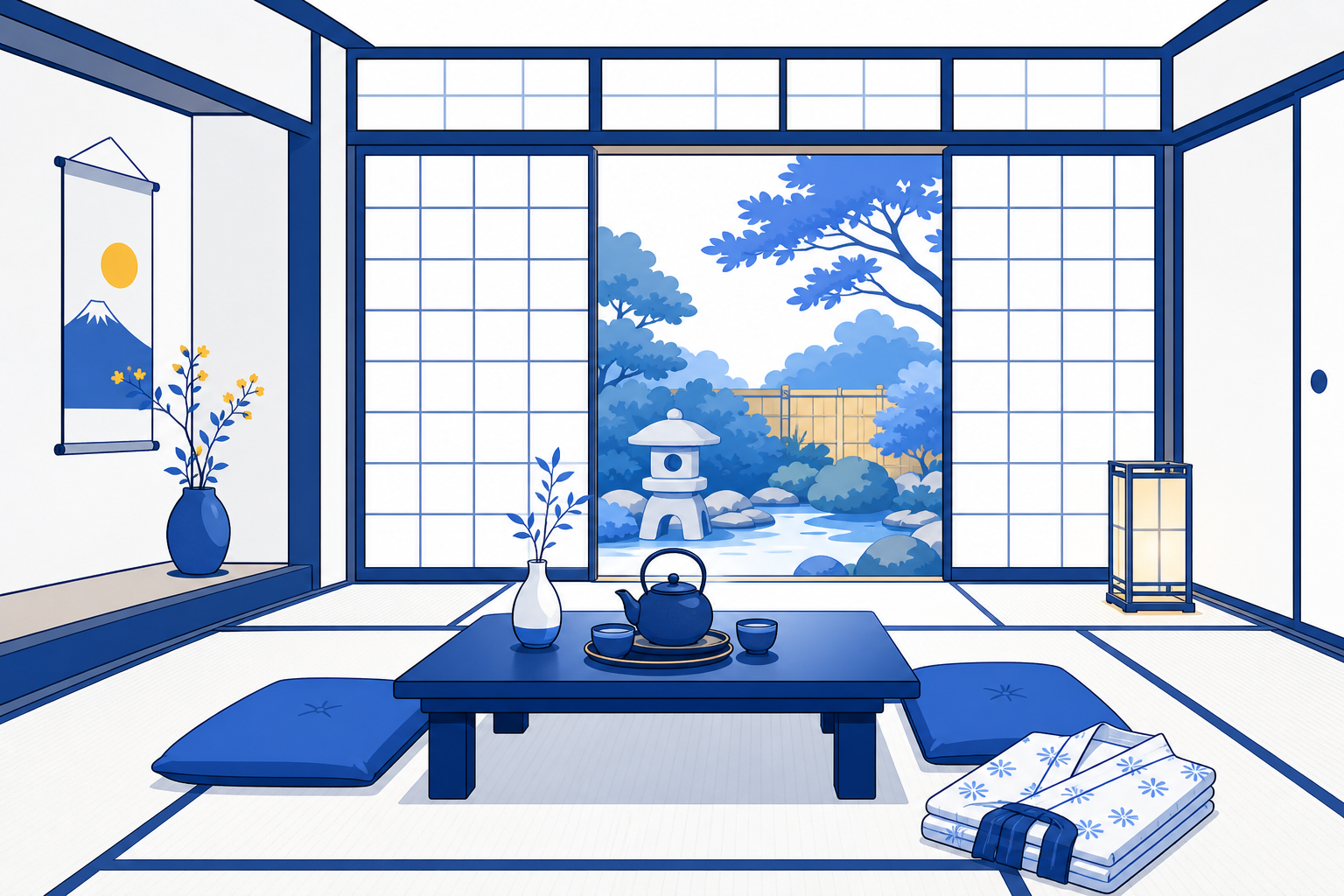
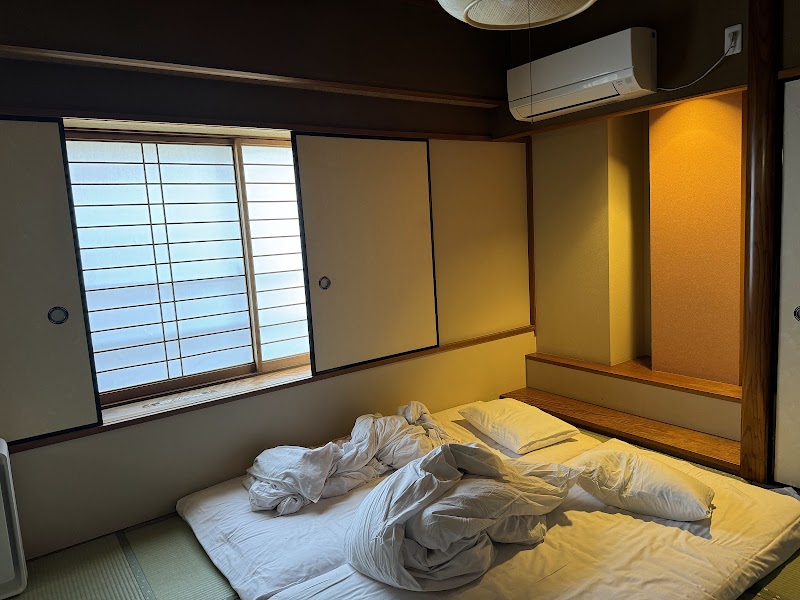
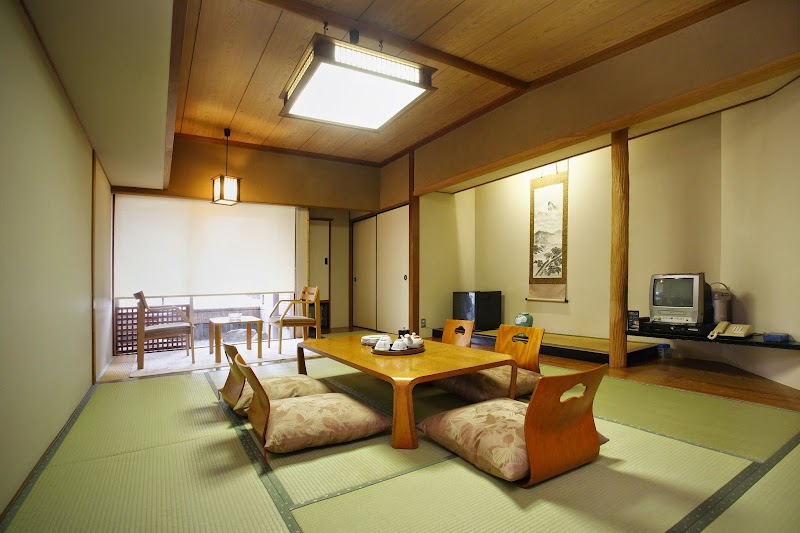
Many ryokans in the Osaka area are registered cultural properties—buildings that have been preserved for their historical and architectural significance. Staying in one allows you to experience traditional Japanese architecture up close: the sliding shoji screens that filter light into soft, diffused patterns; the tokonoma alcove where a seasonal flower arrangement and a hanging scroll set the aesthetic tone of the room; the carefully maintained garden visible through the floor-to-ceiling windows. For a traveler like Sarah, who wanted to see the "Real Japan" beyond the neon lights and convenience stores, a ryokan stay provided a necessary moment of reflection—a night to slow down and appreciate the beauty of simplicity.
What to Expect During Your Ryokan Journey
If it is your first time staying in a traditional inn, the process can feel unfamiliar and even a bit intimidating. The rituals are specific, the etiquette has rules, and the pace of the experience is deliberately slower than anything you are accustomed to. But this is precisely the point. The ryokan is designed to gently pull you out of your normal rhythm and into a state of unhurried presence. Here is a complete walkthrough of the typical "Ryokan Rhythm" in 2026.
1. The Entrance: Genkan Etiquette
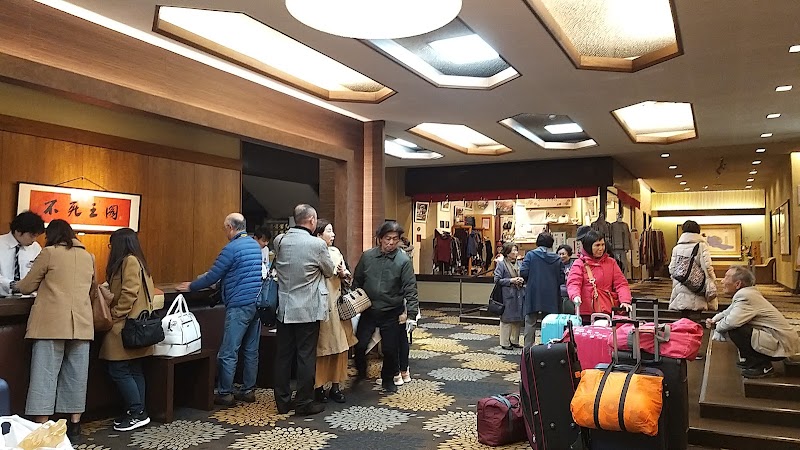
When you arrive at a ryokan, you will encounter the Genkan (玄関), the traditional foyer that separates the outside world from the interior. This threshold is both physical and symbolic. You must remove your outdoor shoes here and switch to the slippers provided by the inn. A staff member will typically be waiting to greet you and will store your shoes in a designated spot.
The critical rule to remember: never, ever wear your house slippers on the Tatami (畳) mats inside your room. Tatami is a natural material—woven rush grass over a rice straw core—and it is easily damaged by the hard soles of slippers. When you enter your room, remove your slippers and step onto the tatami in your socks or bare feet. Separate "toilet slippers" will be provided near the restroom; these are used only inside the toilet area and must be left at the door when you return to the main room.
2. The Attire: Living in a Yukata
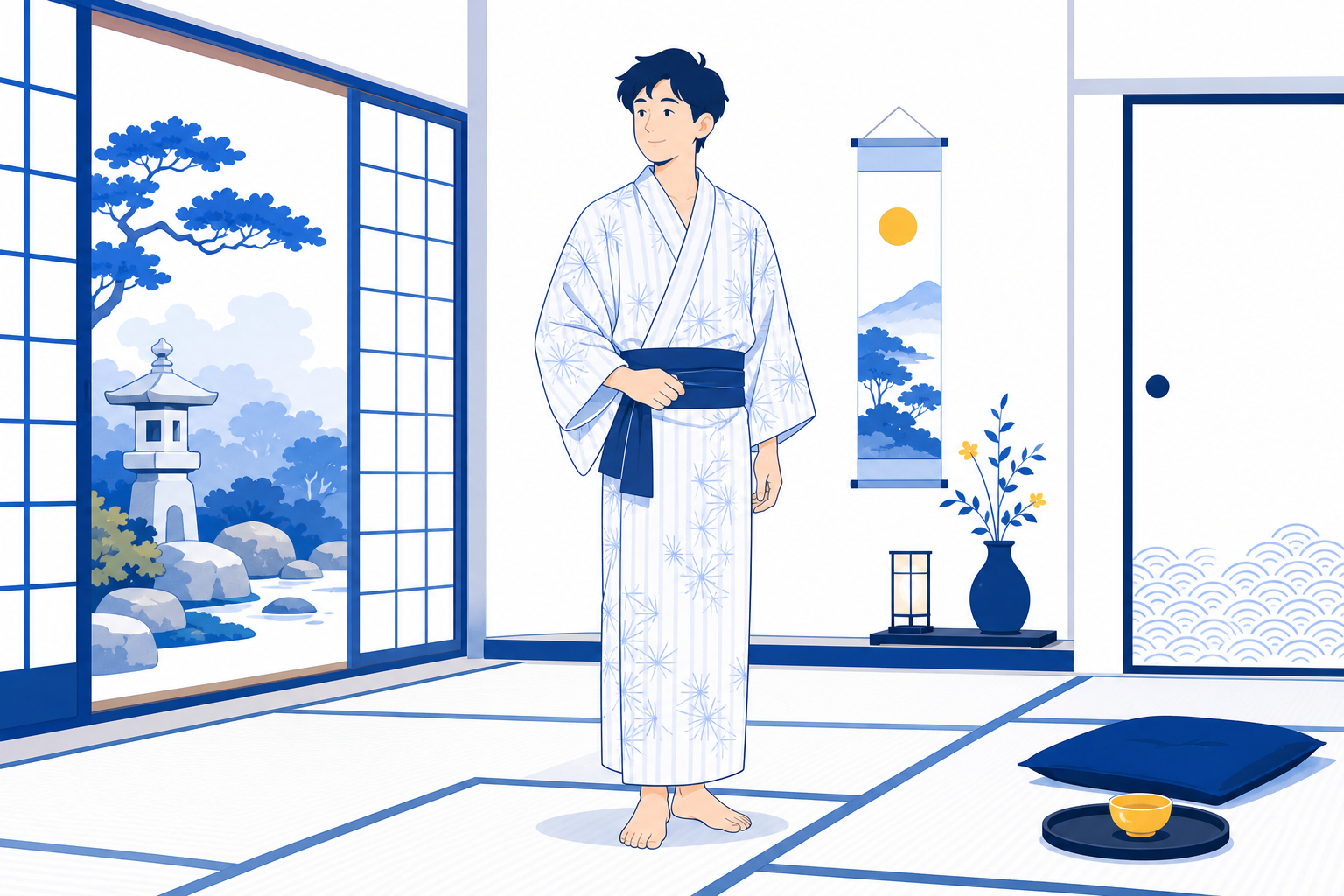
Inside your room, you will find a Yukata (浴衣), a light cotton kimono that serves as your uniform for the duration of your stay. In a ryokan, it is perfectly acceptable—and expected—to wear your yukata everywhere: to the baths, to dinner, in the garden, and even on short walks around the neighborhood if the inn is in a rural area.
How to wear it: Always fold the left side over the right side. This is critically important, as right over left is the arrangement used exclusively for dressing the deceased before a funeral. It is an easy mistake to make, especially for foreigners, and while your Nakai-san will gently correct you if she notices, getting it right from the start shows cultural awareness. A fabric belt (obi) is provided to secure the yukata at the waist.
3. The Bath: Onsen (温泉) and Sento

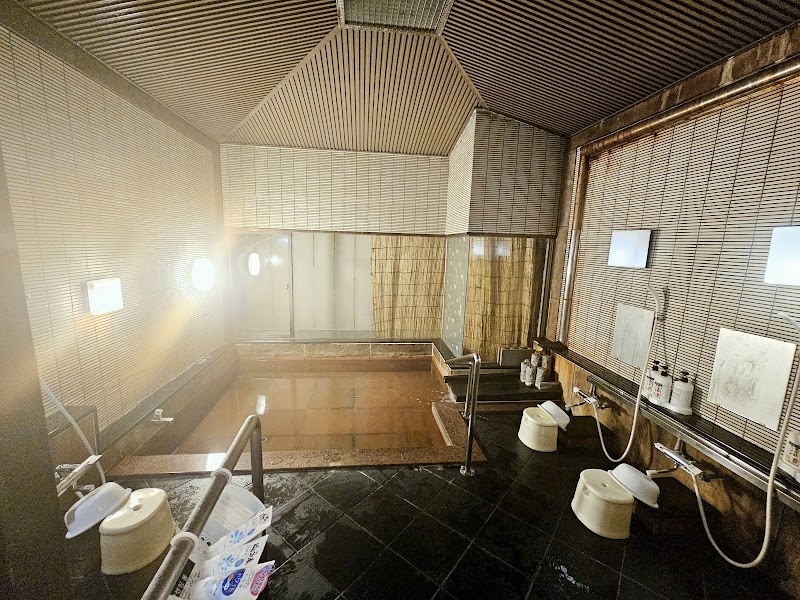
For most guests, the bath is the highlight of the ryokan experience. Many properties in the Osaka area feature natural hot springs (onsen), where mineral-rich water is pumped from underground sources into beautifully designed bathing facilities. The experience of soaking in steaming hot water while surrounded by rock gardens, bamboo fences, and the sounds of nature is profoundly relaxing—and, according to Japanese tradition, has therapeutic benefits for the skin, joints, and circulation.
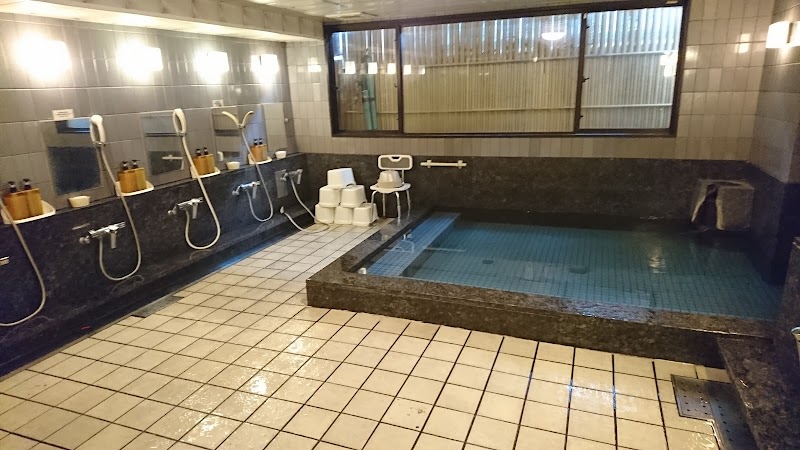
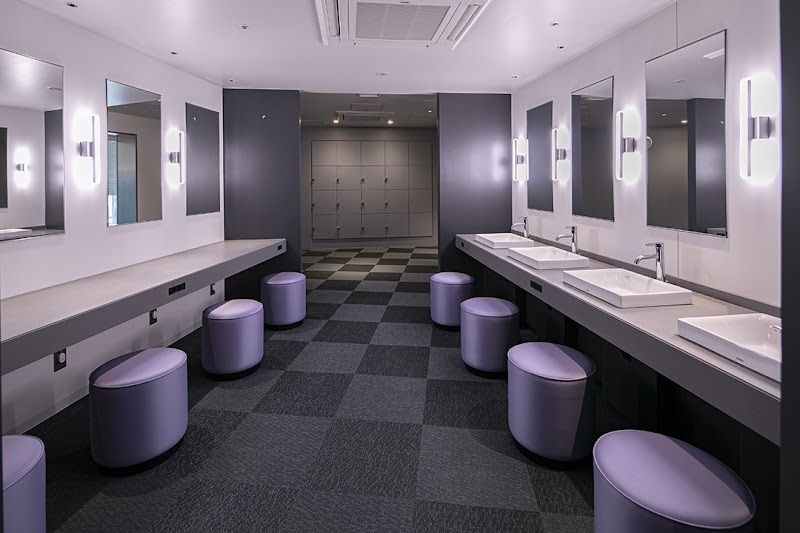
The bathing ritual: You must wash your entire body thoroughly before entering the communal pool. This is non-negotiable. A row of washing stations with low stools, hand-held showerheads, shampoo, and body soap will be provided in the washing area. Sit on the stool, wash completely, rinse all soap from your body, and only then enter the bath. Bringing soap, shampoo, or a towel into the bath water is considered extremely inconsiderate.
The tattoo question: While attitudes are softening in modern Japan, some traditional ryokans still prohibit visible tattoos in communal bathing areas, due to the historical association between tattoos and organized crime (yakuza). If you have tattoos and want to enjoy the onsen experience, look for a ryokan that offers Kashikiri-furo (貸切風呂)—private rental baths that can be booked for exclusive use. Many modern ryokans also offer rooms with private in-room baths (rotenburo tsuki kyakushitsu), which eliminate the issue entirely. Always check the property's tattoo policy before booking.
4. The Meal: Kaiseki (懐石)—Edible Art
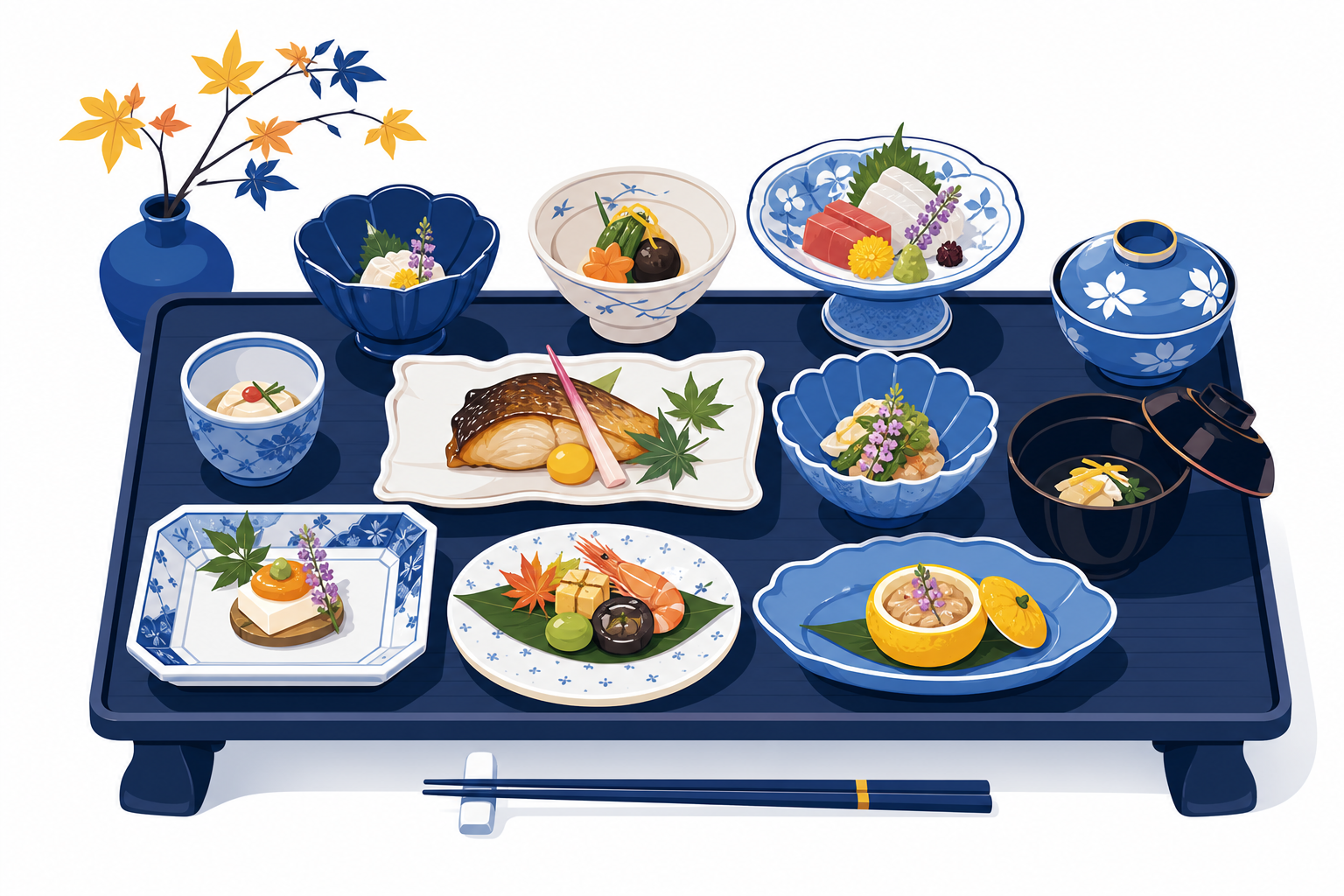
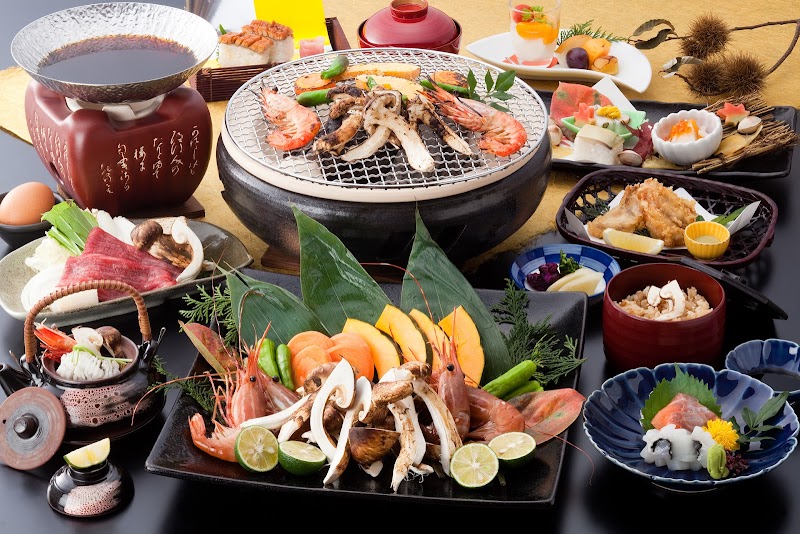
Most ryokan stays include "Half-Board" (one dinner and one breakfast), and this is strongly recommended. The dinner is a multi-course Kaiseki feast—a culinary art form that dates back to the tea ceremony tradition and emphasizes seasonal ingredients, beautiful presentation, and a carefully orchestrated progression of flavors and textures.
A typical kaiseki dinner at a quality ryokan includes 10 to 15 individual courses, each served on hand-selected ceramics that complement the food. The meal might begin with a small appetizer (sakizuke) of seasonal vegetables, progress through sashimi, grilled fish, a simmered dish, a steamed course, a vinegar-dressed salad, tempura, a rice course, miso soup, and finally a delicate dessert of seasonal fruit or wagashi (Japanese sweets). The entire dinner typically takes between 90 minutes and two hours, and the pacing is designed to encourage savoring rather than consuming.
For Sarah, the kaiseki dinner was a revelation. She had eaten excellent Japanese food in restaurants, but the ryokan experience—where each dish arrived at her private table with an explanation of its ingredients and preparation—transformed dinner from a meal into a cultural education. The seasonal focus was immediately apparent: her autumn visit meant dishes featuring matsutake mushrooms, persimmon, and Pacific saury, ingredients that would be replaced by entirely different selections in spring or summer.
Breakfast at a ryokan is equally special, though more modest. A traditional Japanese breakfast includes grilled fish (typically salmon or mackerel), miso soup, pickled vegetables, rice, nori (seaweed), a small salad, and often a soft-boiled egg or tofu dish. It is healthy, balanced, and unexpectedly delicious—many guests describe the ryokan breakfast as the best meal of their entire Japan trip.
The Best Ryokans in and Near Osaka for 2026
We have selected these properties based on their history, the quality of their baths, their openness to international travelers, and the overall consistency of the guest experience.
- Amami Onsen Nanten-en (Kawachinagano) — from ¥35,000/night. Designed by the architect of Tokyo Station.
- Fushio Onsen Fushio-kaku (Ikeda) — from ¥28,000/night. Stunning forest-view outdoor baths.
- Hoshino Resorts OMO7 (Shin-Imamiya) — from ¥18,000/night. The best "modern ryokan" for solo travelers.
- Kaneyoshi Ryokan (Dotonbori) — from ¥14,000/night. Unbeatable city-center location.
- Minoo Kanko Hotel (Minoo) — from ¥22,000/night. Rooftop infinity onsen with city views.
- Yamatoya Honten (Namba) — from ¥16,000/night. Historic machiya in the heart of the action.
- Ryokan Kuramoto (Namba) — from ¥12,000/night. The best budget-friendly authentic option.
- Hotel Intergate Osaka Umeda (Umeda) — from ¥20,000/night. Modern design meets traditional aesthetics.
Deep Dive: Standout Properties
Amami Onsen Nanten-en—Mountain Retreat Within Reach
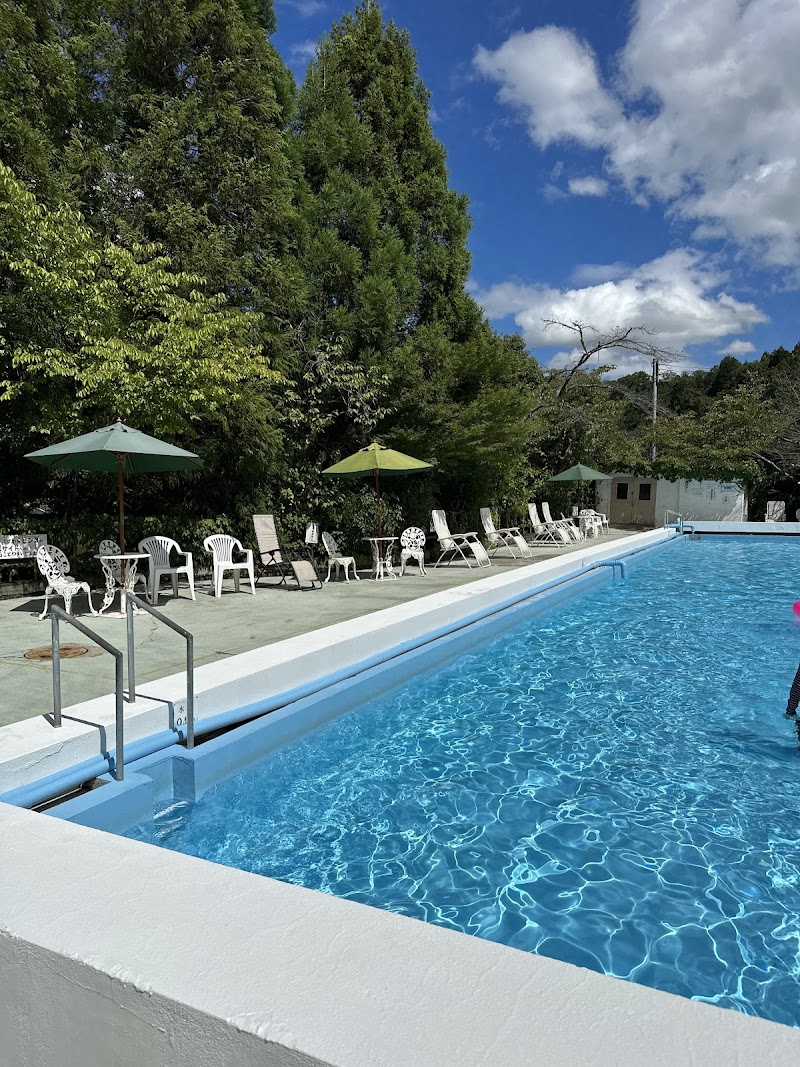
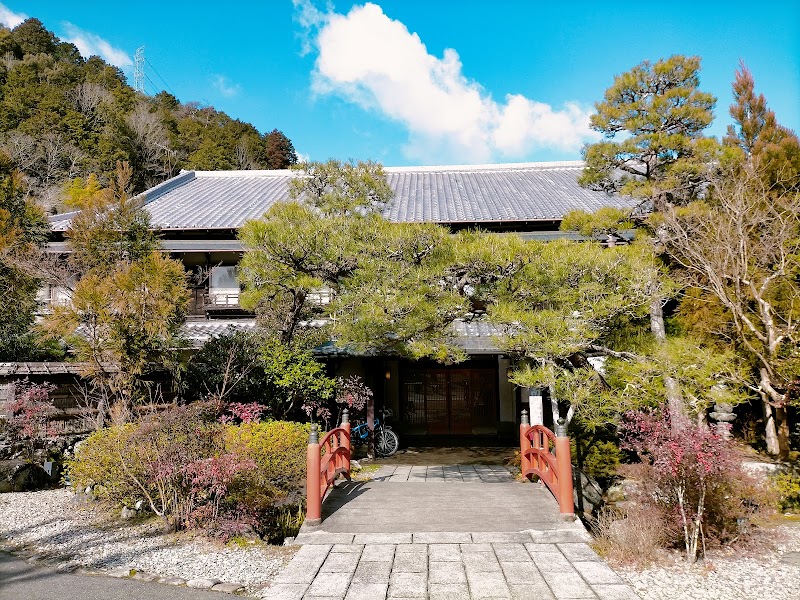
Located in Kawachinagano, approximately 40 minutes south of central Osaka by train on the Nankai Koya Line, Nanten-en is the most prestigious ryokan in the greater Osaka area. The main building was designed by Tatsuno Kingo, the legendary architect responsible for Tokyo Station and the Bank of Japan headquarters, and it has been designated as a registered tangible cultural property. The grounds are expansive and meticulously maintained, including strolling Japanese gardens, a pond filled with koi, multiple outdoor and indoor baths fed by natural hot springs rich in minerals, and a kaiseki restaurant that sources ingredients from local mountain farms and nearby rivers.
The property offers several room categories, from standard tatami rooms overlooking the garden (starting at approximately 35,000 yen per person with half board) to the premium detached villas with private open-air baths (starting at approximately 60,000 yen). The detached villas are particularly special—each one is a self-contained retreat with its own garden, bath, and tearoom, offering complete privacy and silence.
For Sarah, the journey to Nanten-en felt like traveling back in time. The train ride south from Namba passes through increasingly rural landscapes—rice paddies, small shrines perched on hilltops, and dense forests of cedar and cypress. By the time she arrived at the inn, the city felt impossibly distant. The outdoor bath at sunset—looking out over a canopy of ancient trees with steam rising from the mineral-rich water and the distant sound of a temple bell—was the single most peaceful moment of her trip. She later described it as "the moment Japan stopped being a destination and became a feeling."
Yamatoya Honten—Historic Elegance in Namba
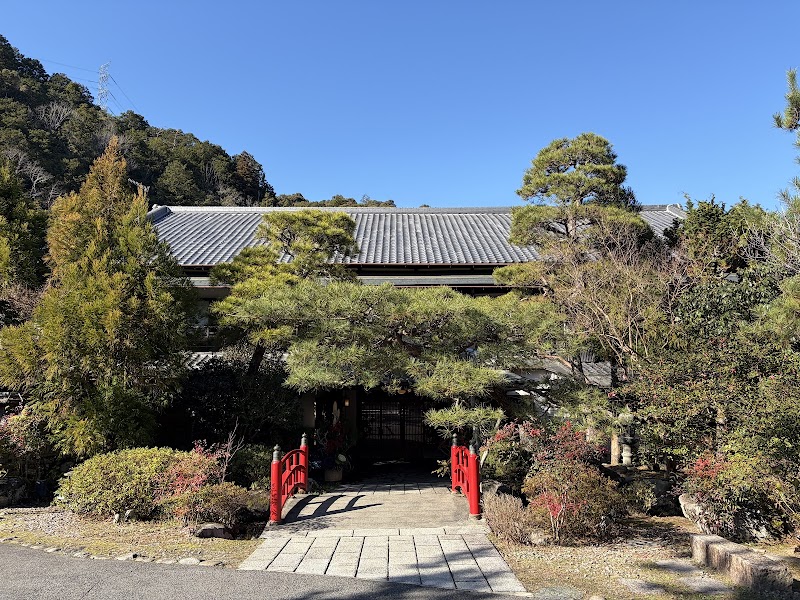
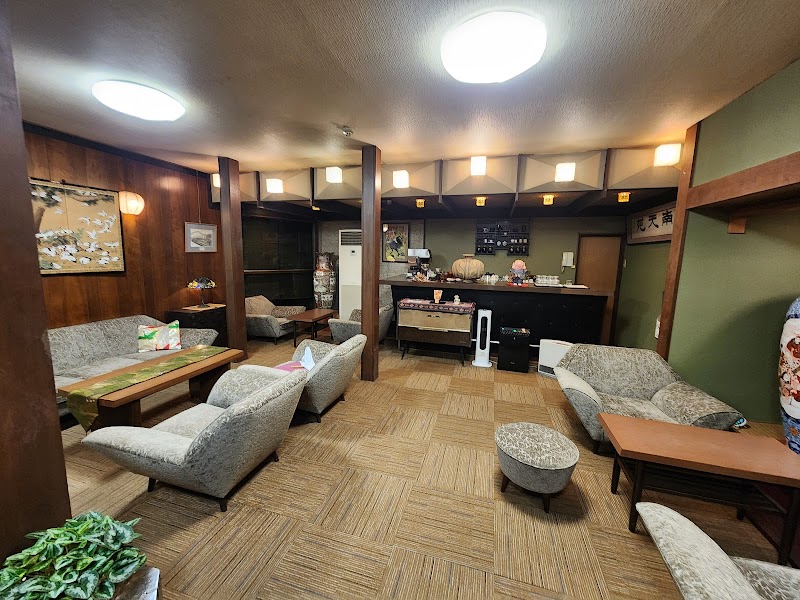
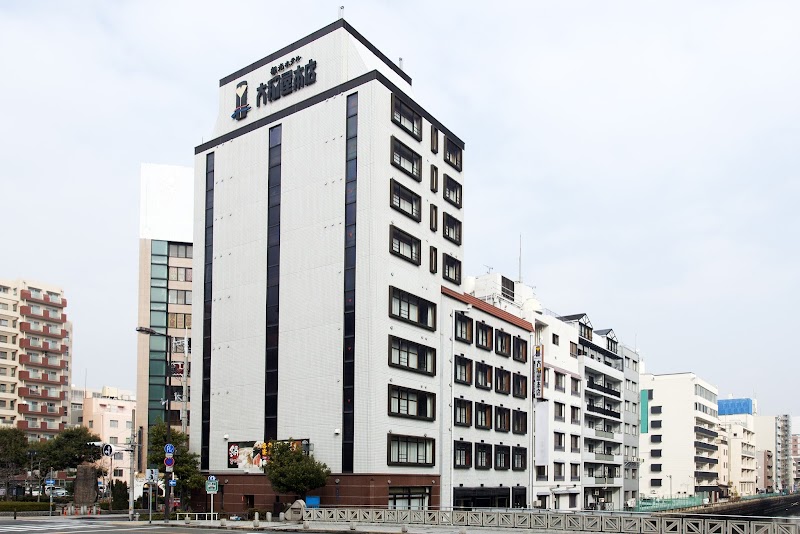
Located just steps from Dotonbori, Yamatoya Honten (大和屋本店) is a rare example of a traditional machiya-style ryokan surviving in the heart of Osaka's entertainment district. Founded over 100 years ago, the inn offers an authentic experience without sacrificing the convenience of a central location.
Each room features tatami floors, shoji screens, and carefully curated antique furnishings. The "Deluxe" rooms include private cypress baths where guests can soak in fragrant hinoki wood tubs. The kaiseki dinner here is renowned for incorporating Osaka's famous "Kuidaore" spirit—the portions are more generous than at many ryokans, and the flavors are bolder, reflecting the city's love of rich, satisfying food.
The unique appeal of Yamatoya Honten is the contrast it offers. Sarah could spend her evening exploring the neon streets of Namba—eating takoyaki, browsing the shops of Shinsaibashi, soaking in the chaotic energy of Dotonbori—and then walk five minutes back to the tranquility of her tatami room. It is a juxtaposition that captures the essence of Osaka itself: a city that is simultaneously ultramodern and deeply traditional.
One practical note: street noise can be audible in front-facing rooms. Request a room overlooking the inner garden for the best experience.
Ryokan Kuramoto—Budget-Friendly Authenticity
For travelers who want a genuine ryokan experience without the luxury price tag, Ryokan Kuramoto (旅館くら本) near Dotonbori in Namba offers exceptional value. This is a small, family-run inn where the warmth of the hospitality more than compensates for the simpler facilities.
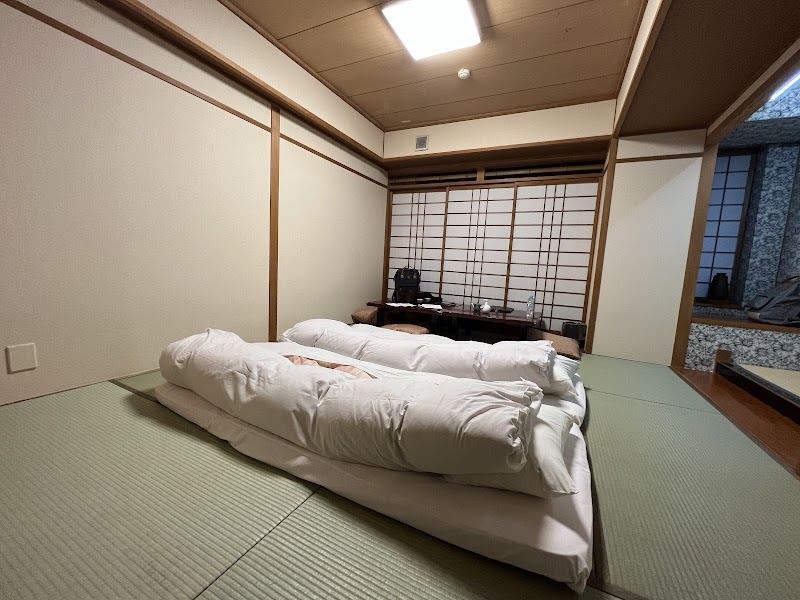
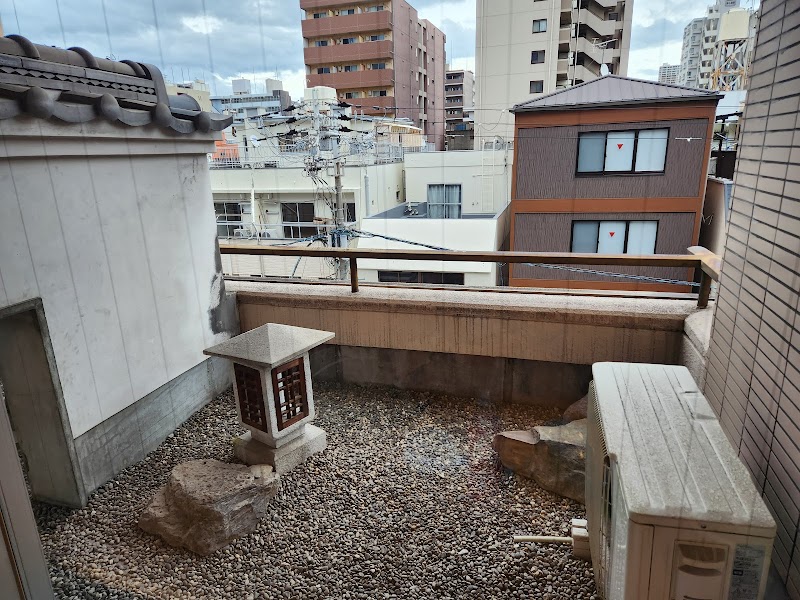
The rooms are modest but immaculately clean, with traditional futon bedding laid out each evening by the proprietor's wife. The shared baths are simple—no outdoor rotenburo here—but the water is naturally heated and surprisingly soothing after a day of walking. Breakfast is a simple but delicious Japanese set featuring miso soup, grilled fish, pickles, rice, and a small egg dish. Dinner is not included, but the surrounding Namba and Nipponbashi area has excellent izakayas and restaurants within a five-minute walk. For budget-conscious travelers, backpackers upgrading from hostels, and anyone who values genuine human connection over luxurious amenities, Kuramoto represents the heart of the ryokan tradition at a fraction of the typical cost.
Hotel Intergate Osaka Umeda—The Ryokan 2.0 Concept
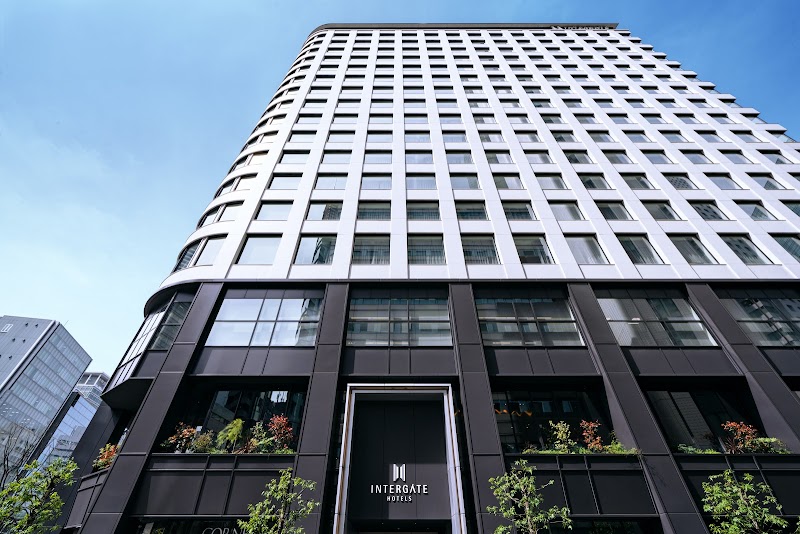
This property represents the "modern ryokan" movement: a contemporary hotel that incorporates traditional Japanese design elements into a sleek, minimalist framework. It is the perfect choice for travelers who are attracted to the ryokan aesthetic but prefer the comfort and familiarity of a Western-style hotel.
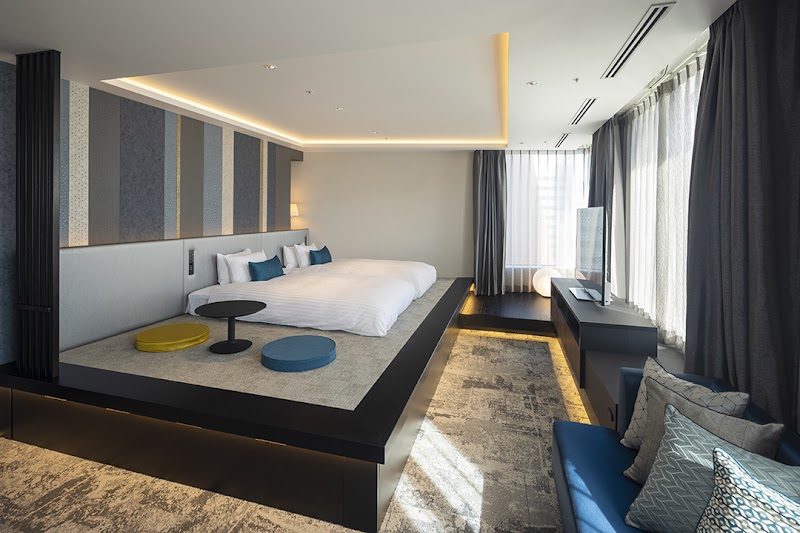
The rooms feature Western beds (no futons on the floor) but are decorated with Japanese design accents—cedar wood panels, paper lanterns, sliding doors that echo the shoji screen tradition. The minimalist "Zen" aesthetic is consistent throughout the property, creating a calm, uncluttered atmosphere that sets it apart from standard business hotels.
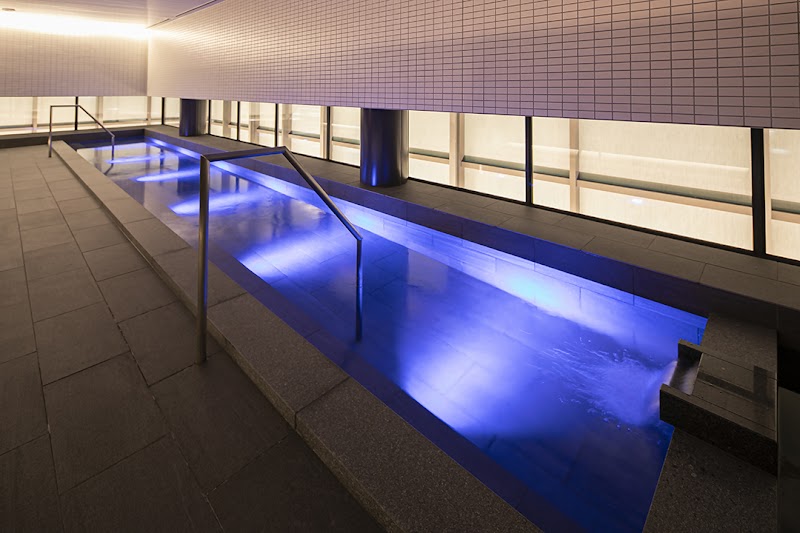
The highlight is the communal onsen bath on the top floor, with panoramic views over the Osaka skyline. Open from 6:00 AM to 1:00 AM, it offers the bathing ritual experience in a modern, hygienic setting that feels approachable for first-timers. The bath area is designed with clean lines and natural materials—stone, wood, and glass—that create a spa-like atmosphere without the formality of a traditional ryokan bath. For business travelers, those who prefer beds over futons, and design enthusiasts who appreciate the intersection of tradition and modernity, Intergate is an excellent introduction to the ryokan world.
Fushio Onsen Fushio-kaku—Forest Bathing in Ikeda
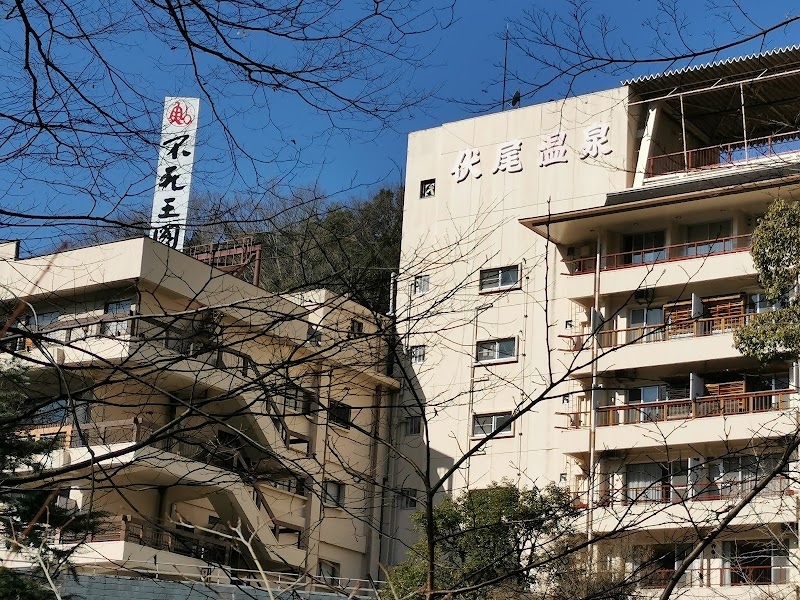
Tucked into the hills of Ikeda, about 25 minutes north of Umeda on the Hankyu Takarazuka Line, Fushio-kaku offers what many consider the best outdoor bathing experience accessible from Osaka. The property sits in a dense forest, and its signature rotenburo (outdoor bath) looks directly into a canopy of Japanese maple trees that blaze with color in autumn and create a cool green shade in summer.
The rooms are traditional and well-maintained, with futon bedding and views of the surrounding forest. The kaiseki dinner emphasizes mountain cuisine—wild boar in winter, river fish in summer, and foraged mushrooms and mountain vegetables throughout the year. What makes Fushio-kaku special is its intimacy: with only a handful of rooms, the inn feels like a private mountain retreat rather than a commercial property. The staff know each guest by name, and the pace of the experience is even slower and more personal than at larger ryokans.
For Sarah, Fushio-kaku would be the ideal choice for a nature-focused escape without traveling far from the city. The train ride from Umeda takes less than half an hour, but the moment you step off the platform and follow the path up the hillside to the inn, the urban world disappears entirely.
How to Navigate the Ryokan Booking Process
Booking a ryokan is slightly more complex than reserving a standard hotel room, and understanding the process in advance will save you confusion and potential disappointment.
1. Choose Your Meal Plan
When booking, you will typically encounter three options: Room Only (sudomari), Breakfast Only (choushoku tsuki), or Half Board (niishoku tsuki, including dinner and breakfast). We strongly recommend Half Board for your first ryokan experience. The kaiseki dinner is at least 50 percent of the value—and arguably the emotional highlight—of a ryokan stay. Skipping it to save money is like buying a concert ticket and leaving before the encore.
2. Communicate Dietary Restrictions Early
Ryokans plan their kaiseki menus days or even weeks in advance, sourcing specific seasonal ingredients for each course. If you are vegetarian, vegan, have a seafood allergy, or follow any dietary restriction, you must notify the property at the time of booking—not at check-in. Most quality ryokans can accommodate dietary needs with advance notice, but springing a restriction on them at dinner may result in disappointment, as the kitchen may not have alternative ingredients available.
3. Respect the Check-in Deadline
Ryokans that serve dinner typically have a strict check-in deadline, often 5:00 PM or 6:00 PM. This is not arbitrary—the kitchen needs time to prepare and time your kaiseki dinner correctly. If you arrive after the deadline, the inn may not be able to serve your dinner, and you will have missed the best part of the experience. Plan your travel schedule accordingly, and if you anticipate a late arrival, contact the ryokan well in advance to discuss options.
4. Where to Book
The most reliable booking platforms for ryokans are Japanican (operated by JTB, Japan's largest travel agency, with excellent English support and ryokan-specific search filters), Booking.com (good selection and familiar interface for international travelers), and Jalan.net (Japan's most popular domestic booking platform, with the widest selection but a Japanese-language interface). For premium properties, booking directly through the ryokan's own website sometimes offers exclusive packages or room upgrades that are not available on third-party platforms.
5. Timing Your Stay
Most ryokans have significantly higher rates on weekends (Friday and Saturday nights) and during peak seasons (cherry blossom in late March to early April, Golden Week in early May, Obon in mid-August, and autumn foliage in November). Midweek stays (Sunday through Thursday) often cost 20 to 30 percent less and come with the added benefit of fewer guests, a quieter atmosphere, and more availability in the communal baths. If your schedule allows flexibility, a Tuesday or Wednesday night stay offers the best combination of value and tranquility.
FAQ: Everything Sarah Needs to Know
Is a ryokan stay worth the high price? Absolutely. A 30,000 yen ryokan stay typically includes a world-class multi-course dinner (which would cost 15,000 yen or more at a standalone restaurant), a gourmet breakfast, unlimited use of the onsen baths, and the cultural immersion of traditional architecture and Omotenashi service. When you calculate the total value of what is included, the per-night cost is comparable to—or better than—a luxury hotel where meals and spa treatments are charged separately.
Do ryokans accept solo travelers? In 2026, the market for solo ryokan stays has expanded significantly. Properties like OMO7, Kaneyoshi Ryokan, and Kuramoto offer specific plans for solo travelers, and many mid-range and budget ryokans actively welcome single guests. Solo rates are typically 10 to 20 percent higher per person than double-occupancy rates (because the room and meal preparation costs are divided by fewer guests), but the availability has improved dramatically compared to even five years ago. Book early for weekend stays, as solo rooms are often limited in number.
Do I need to tip at a ryokan? No. Tipping is not customary in Japan and can even be considered rude, as it implies that the staff require a financial incentive to provide good service. The service charge is already included in your room rate. If you want to show gratitude, a sincere "Arigatou gozaimashita" (Thank you very much) accompanied by a small bow when leaving is the best gesture. Some guests also write a thank-you note in the guest book, which is deeply appreciated by ryokan staff.
Can I stay at a ryokan with tattoos? This depends on the property. Traditional ryokans with communal baths may enforce "No Tattoo" policies due to the historical association with yakuza. However, the landscape is changing. Many ryokans now offer private baths (Kashikiri-furo) that anyone can use regardless of tattoos. Modern properties like OMO7 and Intergate have no tattoo restrictions at all. The safest approach is to always check the policy before booking, or to specifically search for properties that advertise tattoo-friendly bathing policies. Increasingly, booking platforms include this information in the property listing.
What is the cancellation policy? Ryokans typically enforce stricter cancellation policies than hotels because they prepare personalized meals and dedicate specific rooms for each guest. Standard policies are approximately: 7 days before arrival, 0 to 20 percent fee; 3 days before, 30 to 50 percent; same day or no-show, 100 percent. These policies are usually communicated clearly at the time of booking, and we recommend reading them carefully before confirming.
Will the staff speak English? This varies considerably. Luxury properties like Nanten-en and Hoshino Resorts have English-speaking staff and may provide English menus and information sheets. Smaller, family-run ryokans like Kuramoto may have limited English, but the hospitality transcends language—gestures, smiles, and the universal language of kindness communicate remarkably well. Apps like Google Translate (with camera mode for reading menus and signs) and Papago are incredibly helpful companions for a ryokan stay at a Japanese-speaking property.
What should I bring to a ryokan? Bring very little. The ryokan provides yukata, towels (both bath-size and small face towels), shampoo, body soap, toothbrush, and slippers. You may want to bring your own skincare products, any medications, and a small waterproof bag for your phone if you want to take photos of the outdoor bath (but never of other guests). Many guests also bring a small omiyage gift for the staff—a box of sweets from your home country is always appreciated.
When is the best time to visit a ryokan? Each season offers a different experience. Autumn (October to November) brings fiery foliage and mushroom-based kaiseki menus. Winter (December to February) offers the magical experience of soaking in a hot outdoor bath while snow falls around you. Spring (March to April) brings cherry blossoms and lighter, more delicate cuisine. Summer (June to August) is the quietest season and often the most affordable, with refreshing yukata fabrics and seasonal dishes featuring ayu (sweetfish) and watermelon. For a first-time visitor, autumn is arguably the most spectacular season for a ryokan stay.
Final Thoughts: A Night of Zen in the City of Sizzle
A night in a ryokan is the perfect antidote to the high-energy chaos of Osaka. After days of eating takoyaki on Dotonbori, navigating the underground maze of Umeda, and riding the metro from one neighborhood to the next, the quiet ritual of a ryokan stay provides a necessary counterbalance. It is a moment to disconnect from your phone, from your itinerary, and from the relentless pace of modern travel, and to connect instead with a tradition of hospitality that has been perfected over centuries.
For Sarah, we recommend making a ryokan stay the "Final Night" of her Osaka trip. After soaking up the city's energy across Osaka's best neighborhoods to stay in for several days, one night in a traditional inn provides the ultimate way to reflect on your travels and leave Japan feeling refreshed, grounded, and deeply grateful for the experience.
The bath is drawn. The kaiseki is prepared. Your room attendant is waiting at the door with a bow and a cup of matcha. All you need to do is remove your shoes and step inside.