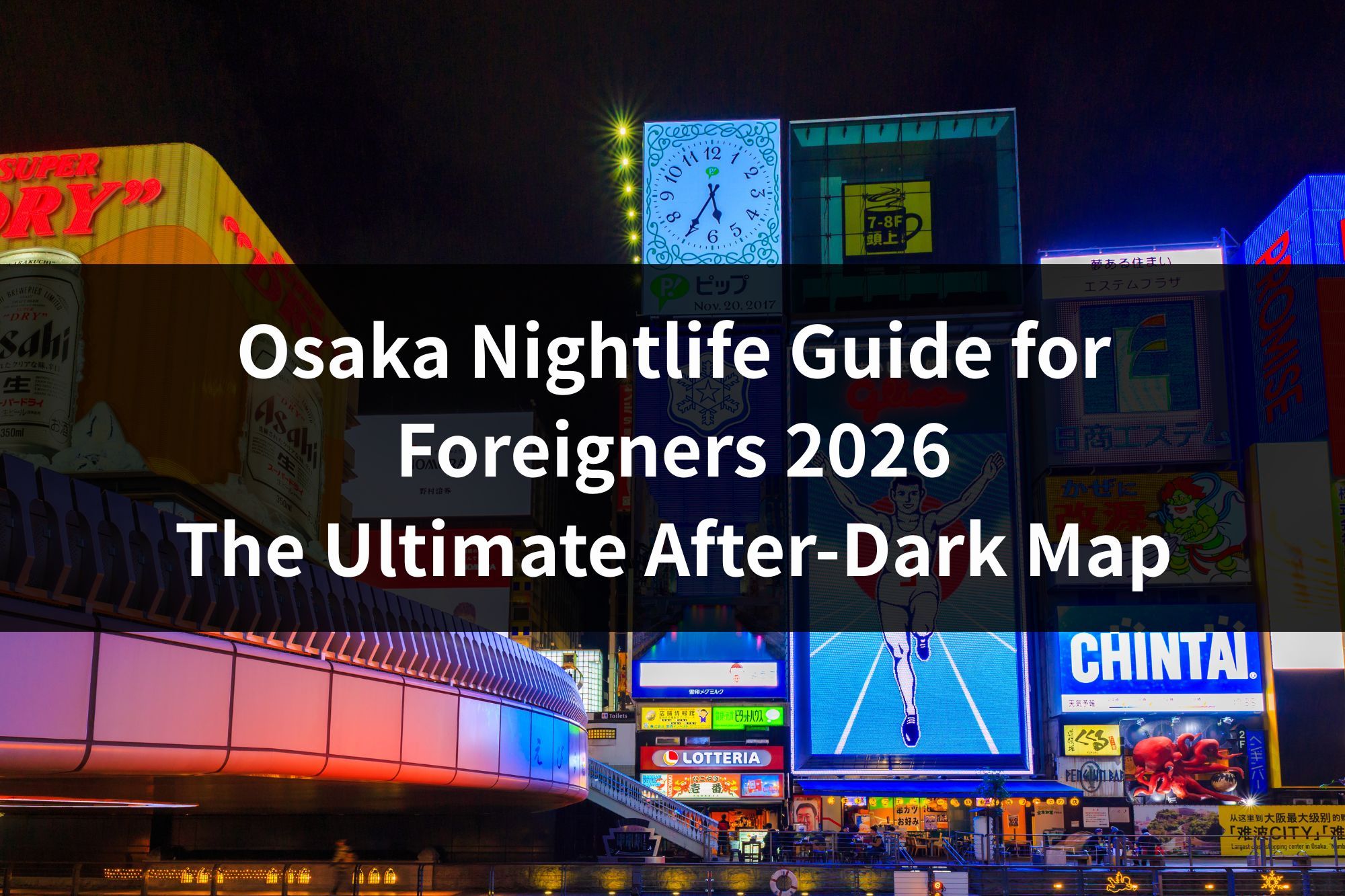
While Tokyo is often compared to the sleek, futuristic world of Blade Runner—all chrome towers and silent efficiency—Osaka after dark feels more like a cyberpunk carnival designed by someone who believes the point of neon is not to illuminate but to intoxicate. There is an unmistakable electric charge in the Osaka air once the sun drops below the skyline—a collective exhale from a city that has spent the day working hard and is now ready to play harder. The neon signs blaze to life along the Dotonbori canal, their reflections rippling across the dark water like liquid fire. The izakayas throw open their doors, releasing clouds of grilled smoke and bursts of laughter into the warm night air. The karaoke rooms light up floor by floor in the entertainment towers. And somewhere in a basement bar you have not yet discovered, a bartender is carving a perfect sphere of ice for a glass of 25-year-old Yamazaki that will cost less than a cocktail at a mid-range bar in Manhattan.
For foreigners visiting Japan, Osaka's nightlife is frequently the highlight of their entire trip, and the reason is simple: while Tokyo's nightlife can sometimes feel exclusive, intimidating, or stratified by social codes that outsiders struggle to decode, Osaka is famous for being incredibly welcoming, unpretentious, and surprisingly affordable. This is a city where strangers buy you drinks, where the bartender remembers your name after one visit, where a taxi driver will sing along to the radio with you at 3:00 AM, and where the concept of a "bad night out" is treated as a personal challenge rather than an accepted possibility.
Whether you are looking to dance until sunrise in a world-class club, sip a perfectly crafted cocktail in a hidden basement speakeasy, belt out your favorite songs in a private karaoke room until your voice gives out, or simply make new friends over a ¥298 glass of beer in a bustling izakaya, Osaka is the city that will deliver exactly what you are looking for—and probably a few things you did not know you wanted. In this massive 2026 guide, we will walk you through the best districts, bars, clubs, and late-night dining spots in the city, providing essential tips to help you navigate the night safely and with the confidence of a local pro.
Why Osaka Has Japan's Best Nightlife: The Soul of Kansai
If you ask any expatriate or frequent traveler who has spent significant time in both Tokyo and Osaka where they prefer to spend their nights, the answer is almost always the same: Osaka. There is a specific soul to the city's nightlife that is genuinely hard to find anywhere else in East Asia—a combination of warmth, energy, affordability, and sheer spontaneity that transforms even a quiet Tuesday evening into something memorable.
1. The Friendliest People in Japan
Osaka people are often called the "Latinos of Japan"—boisterous, funny, emotionally expressive, and significantly more likely to strike up a conversation with a complete stranger than their more reserved counterparts in Tokyo or Kyoto. This is not a stereotype; it is a cultural reality rooted in the city's mercantile history. Osaka was a city of merchants and traders who needed to be approachable, persuasive, and socially agile to succeed in business. That gregarious DNA has been passed down through generations and manifests most vividly in the city's nightlife.
In an Osaka bar, it is not just possible—it is practically expected—that you will be "Kanpai-ed" (toasted) by a group of locals within ten minutes of sitting down. A solo traveler like Sarah will find it almost impossible to stay solo for long. Someone will notice you, ask where you are from, and before you know it, you are sharing plates of edamame and comparing Japanese whisky preferences with a group of salarymen who insist on paying for your next round. This social openness is not performative; it is genuine, and it makes Osaka the perfect destination for travelers who want their nights out to involve real human connection rather than just beautiful interiors and expensive drinks.
2. A City That Never Sleeps (Seriously)
While large parts of Tokyo can become surprisingly quiet once the last trains stop running around midnight—residential neighborhoods go dark, and even some entertainment districts thin out—Osaka's central heart remains vibrant and alive until the first train at 5:00 AM. The Namba and Shinsaibashi corridors are engineered for all-night activity. Many bars do not even begin to fill up until 11:00 PM. Late-night eateries serve ramen and gyudon through the small hours. Some restaurants and convenience stores operate 24 hours a day, ensuring that no matter when Sarah decides her night is over, there is always somewhere warm, well-lit, and welcoming waiting for her.
3. The Price Factor
Osaka's nightlife is remarkably affordable compared to Tokyo, London, or New York. A craft cocktail at a respected bar costs ¥800 to ¥1,500. An all-you-can-drink (nomihodai) deal at an izakaya runs ¥1,500 to ¥2,500 for two hours of unlimited beer, highballs, and chu-hai. Even high-end whisky bars in Kitashinchi—where a single pour of rare Japanese whisky might cost ¥3,000 to ¥5,000—are dramatically cheaper than their equivalents in Western cities. This affordability means that Sarah can experience the full spectrum of Osaka's nightlife in a single evening without the financial anxiety that often accompanies nights out in other global cities.
Best Nightlife Areas in Osaka: A District Guide
Osaka's nightlife geography is divided between the "Kita" (North) area around Umeda and the "Minami" (South) area around Namba. Each area has its own personality, its own crowd, and its own energy—choosing between them (or, ideally, experiencing both) is one of the great pleasures of a night out in this city.
Dotonbori & Shinsaibashi (Minami) – The Neon Heart
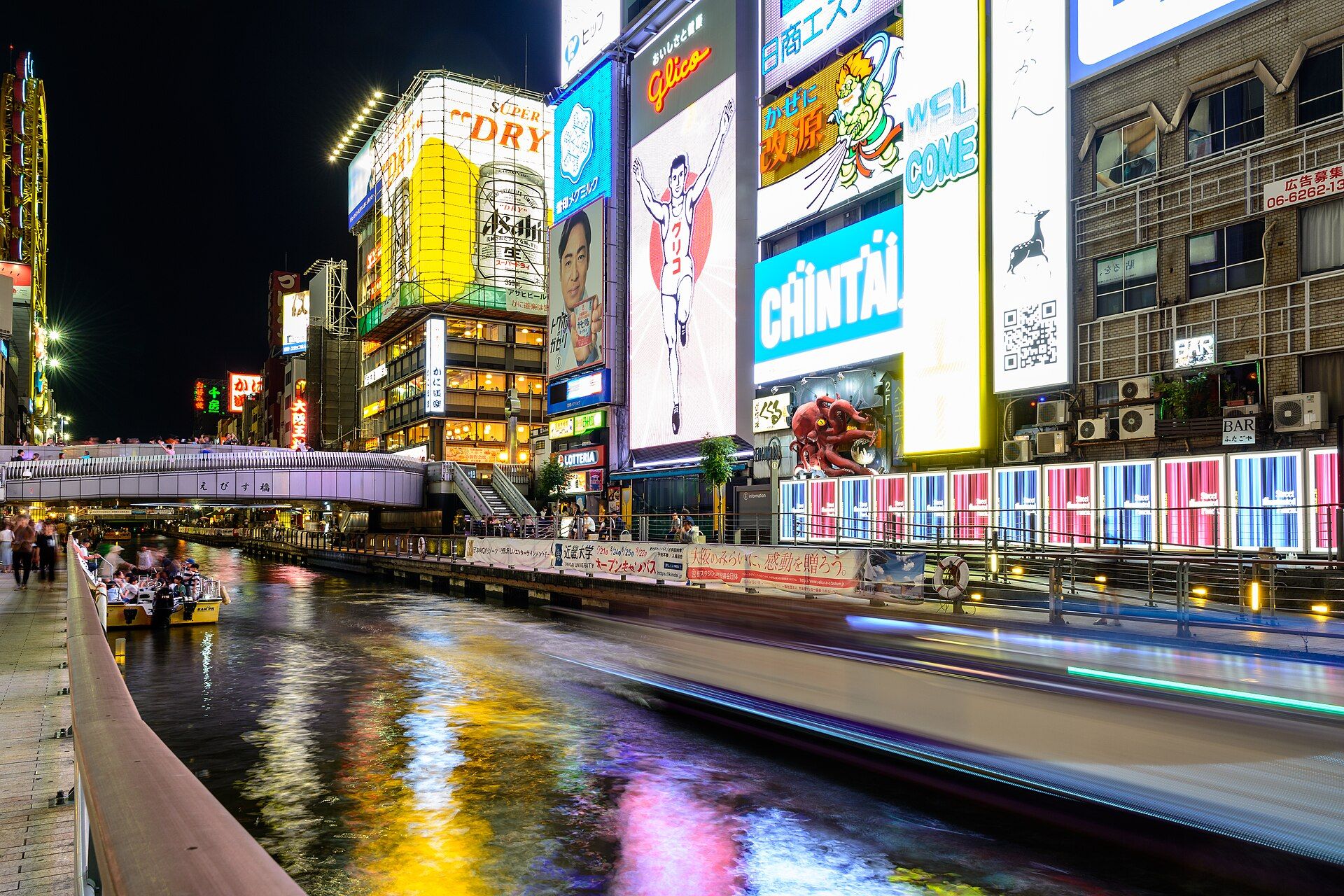
Photo: Dotonbori at night — dconvertini, CC BY-SA 2.0, via Wikimedia Commons. Source: https://commons.wikimedia.org/wiki/File:D%C5%8Dtonbori_Night,_Osaka,_Japan_(48959597706).jpg
This is the epicenter of Osaka's nighttime energy, and if you only have one night in the city, you should spend it here. The Dotonbori canal is a sensory overload of colossal neon signs—mechanical crabs, glowing pufferfish, the iconic Glico Running Man—all reflected in the dark water below, creating a doubled spectacle that seems to pulse with the city's heartbeat. The streets on either side of the canal are packed with restaurants, bars, karaoke towers, and game centers, all competing for your attention with the shameless enthusiasm that is Osaka's signature.
The energy peaks around 11:00 PM on Friday and Saturday nights, when the Ebisubashi Bridge becomes an impromptu gathering point for tourists and locals alike. Street performers compete for audiences. Groups of friends lean against the railing, taking photos with the Glico Man behind them. The smell of grilled food drifts up from the stalls below. It is chaotic, loud, and absolutely electric—the kind of atmosphere that makes you understand why people fall in love with this city. The lanes around the canal are also ground zero for Osaka's street food.
Ura-Namba (裏なんば) – The Trendy Backstreets (2026 Hotspot)
Located just behind the Namba Grand Kagetsu theater—the spiritual home of Osaka's legendary comedy scene—Ura-Namba (meaning "Back Namba") has emerged as the trendiest nightlife destination in the city. This dense network of narrow streets and alleyways is packed with "Neo-Izakayas"—modern drinking establishments that blend traditional Japanese pub culture with contemporary design, craft cocktails, and fusion cuisine. Standing bars serve natural wines alongside plates of locally sourced small plates. Sake sommeliers pour rare junmai daiginjo from boutique breweries that most tourists have never heard of. Craft beer taprooms feature rotating selections from Osaka's growing microbrewery scene.
The vibe is sophisticated yet casual—you are just as likely to see a graphic designer in a vintage denim jacket as a lawyer who has loosened her tie. It is where the city's creative professionals gather after work, and the conversations that flow across the counters tend to be smart, funny, and surprisingly inclusive of foreigners who show genuine interest. For Sarah, Ura-Namba is the perfect alternative to Dotonbori—less chaotic but with ten times the character, and infinitely better for meaningful bar hopping.
Amerikamura (Amemura) – The Alternative Hub
Osaka's answer to Harajuku, but with more grit, better bars, and a rebellious spirit that Harajuku lost years ago. Amerikamura is the place to find independent record stores, skate shops, vintage clothing boutiques, and underground clubs playing everything from trap to techno to jazz fusion. The neighborhood has a hip-hop aesthetic and a very alternative vibe—street art covers the walls, and the fashion on display ranges from meticulously curated vintage to deliberately avant-garde. After dark, Triangle Park and the surrounding hidden corners of Namba come alive with the youth culture scene.
Umeda & Kita (North) – Sophisticated Elegance
The North area around Osaka Station is the city's primary business district, and after dark it transforms into a playground for a more upscale crowd. Behind the glass towers of Umeda are thousands of high-end cocktail lounges, piano bars, and whisky havens where the service is impeccable and the atmosphere is one of refined pleasure rather than raucous celebration. The bars here tend to be more formal and more expensive than those in Minami, but they offer a level of craft and attention to detail that is extraordinary even by Japanese standards.
The real treasure of Kita is the Shin-Umeda Shokudogai (新梅田食道街)—a maze of tiny restaurants and bars crammed into a retro underground complex beneath the train tracks near Osaka Station. Despite its upscale surroundings, this food alley is wonderfully affordable and atmospheric, with some stalls seating only four or five people and serving food that has been perfected over decades.
Best Bars for Foreigners in Osaka: 2026 Picks
1. Rock Rock (Shinsaibashi)
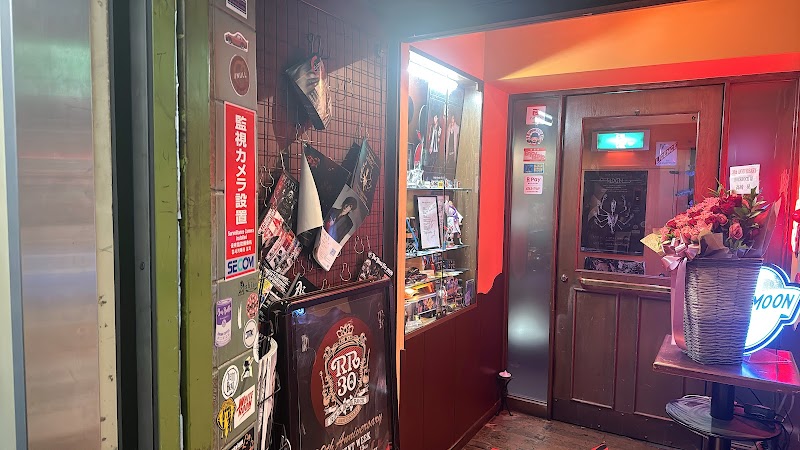
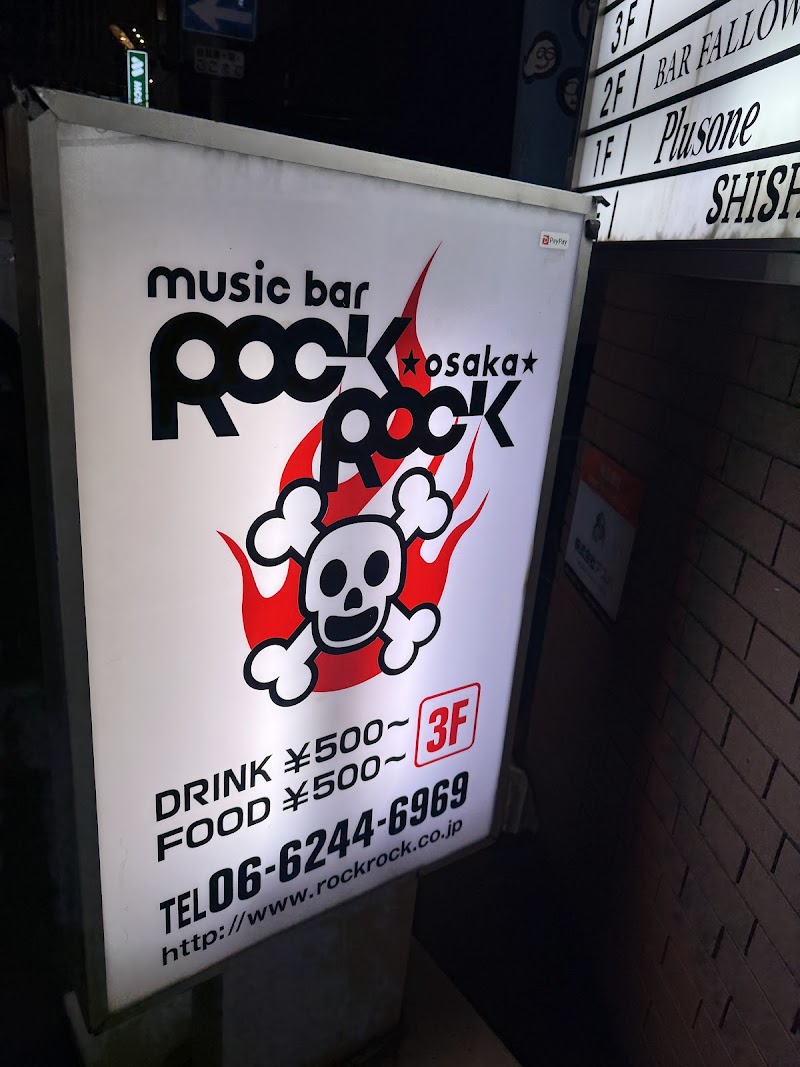
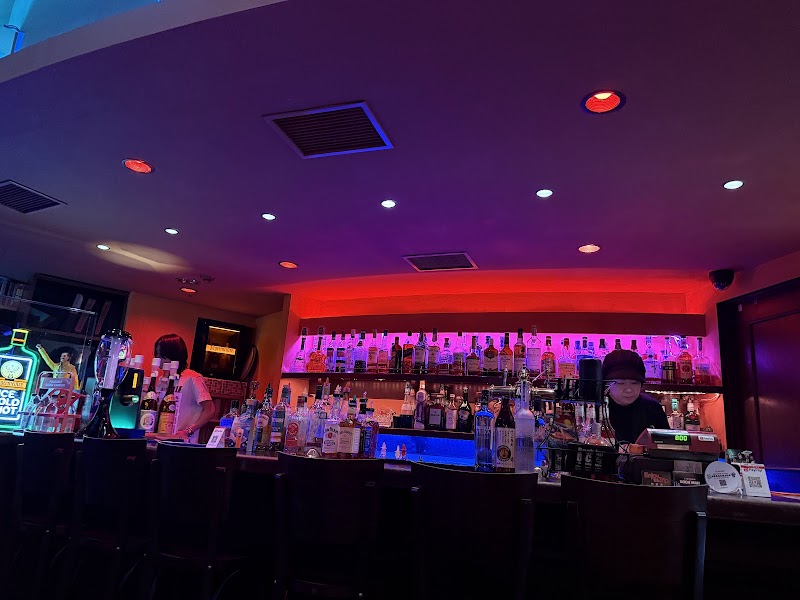
The most famous rock bar in Japan, and possibly the most welcoming bar in Osaka for international visitors. For decades, Rock Rock has been the go-to spot for international touring bands—members of Metallica, Linkin Park, and countless others have left their signatures on the walls. Seiji, the legendary owner, is a walking encyclopedia of rock history and one of the most genuine hosts you will ever meet. The drinks are affordable, the music is loud, and the crowd is a beautiful mix of Japanese rock enthusiasts and international travelers united by a shared love of guitar-driven music.
2. Cinquecento (Shinsaibashi)
The ultimate "budget" international bar, where for years almost every drink was exactly ¥500—a pricing model so consistent it became the bar's identity. The space is small, intimate, and lit in deep red, creating an atmosphere where meeting people is not just possible but physically unavoidable. If you are traveling solo and want to make friends within your first thirty minutes of arriving, Cinquecento is the place. The crowd skews young, international, and energetic.
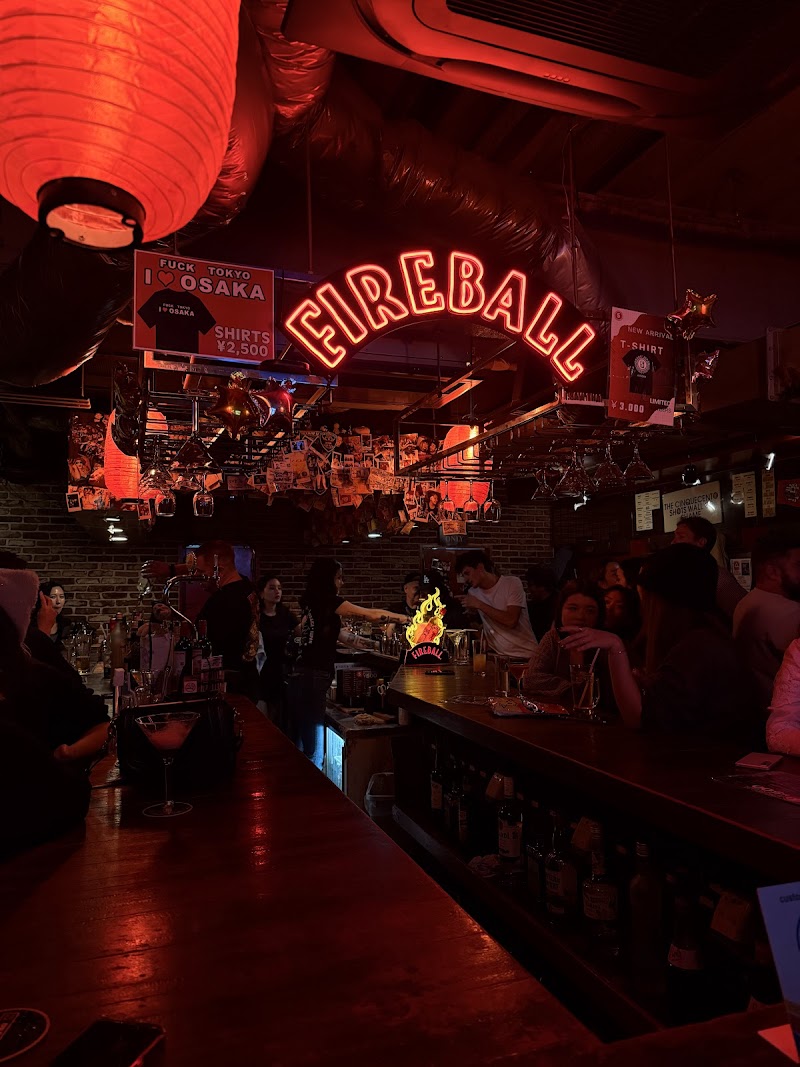
3. Bar Nayuta (Amemura)
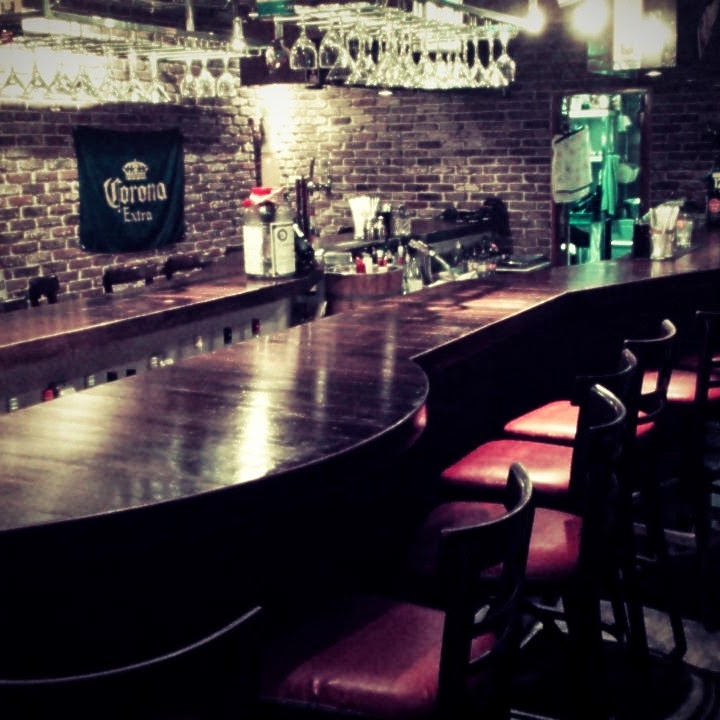
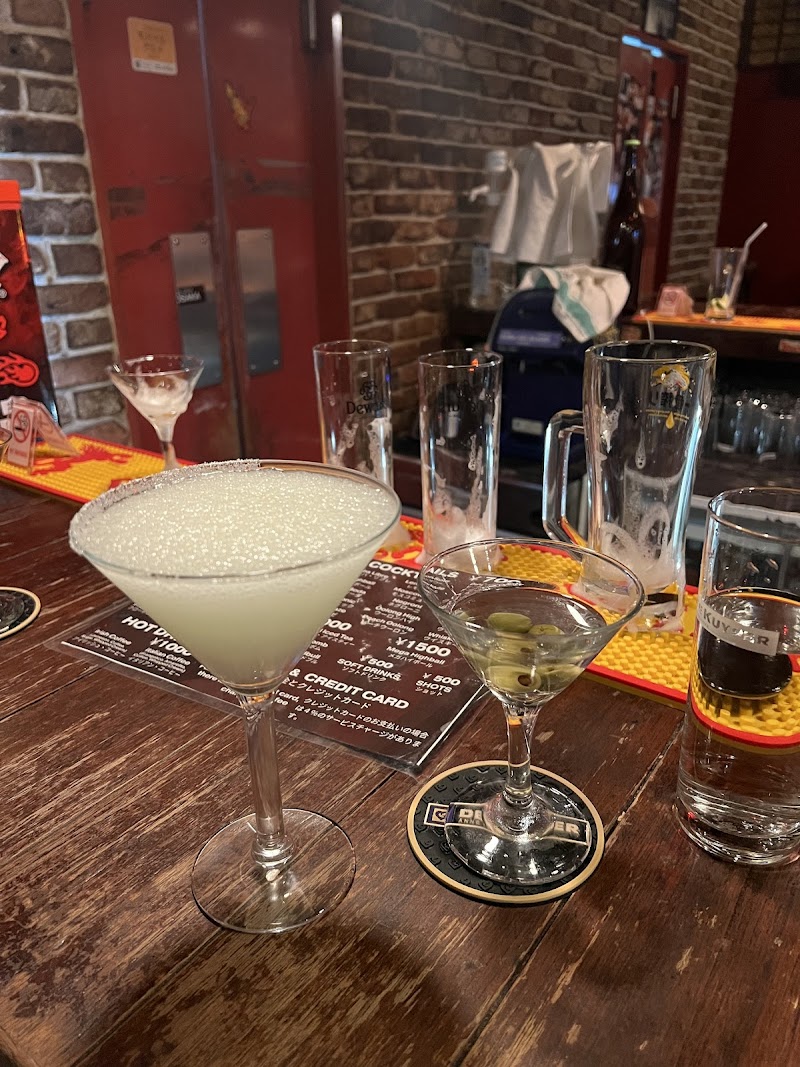
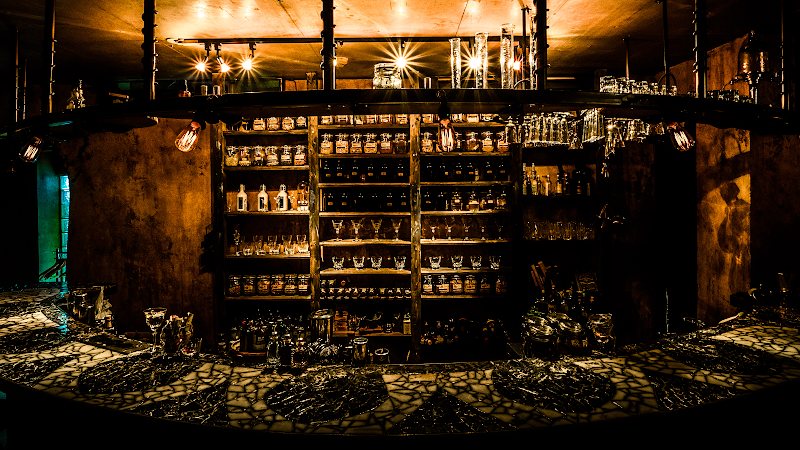
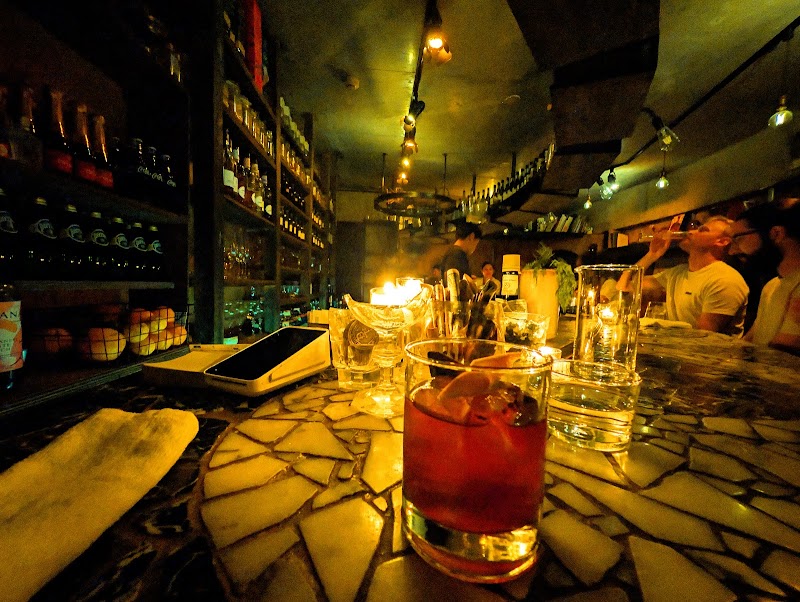
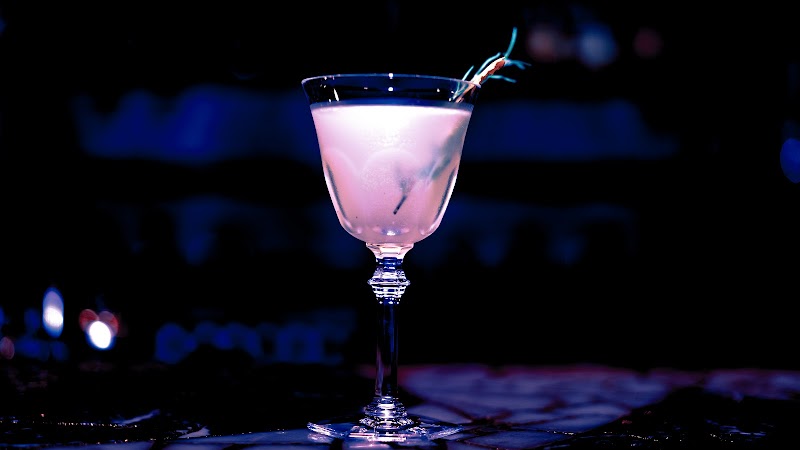
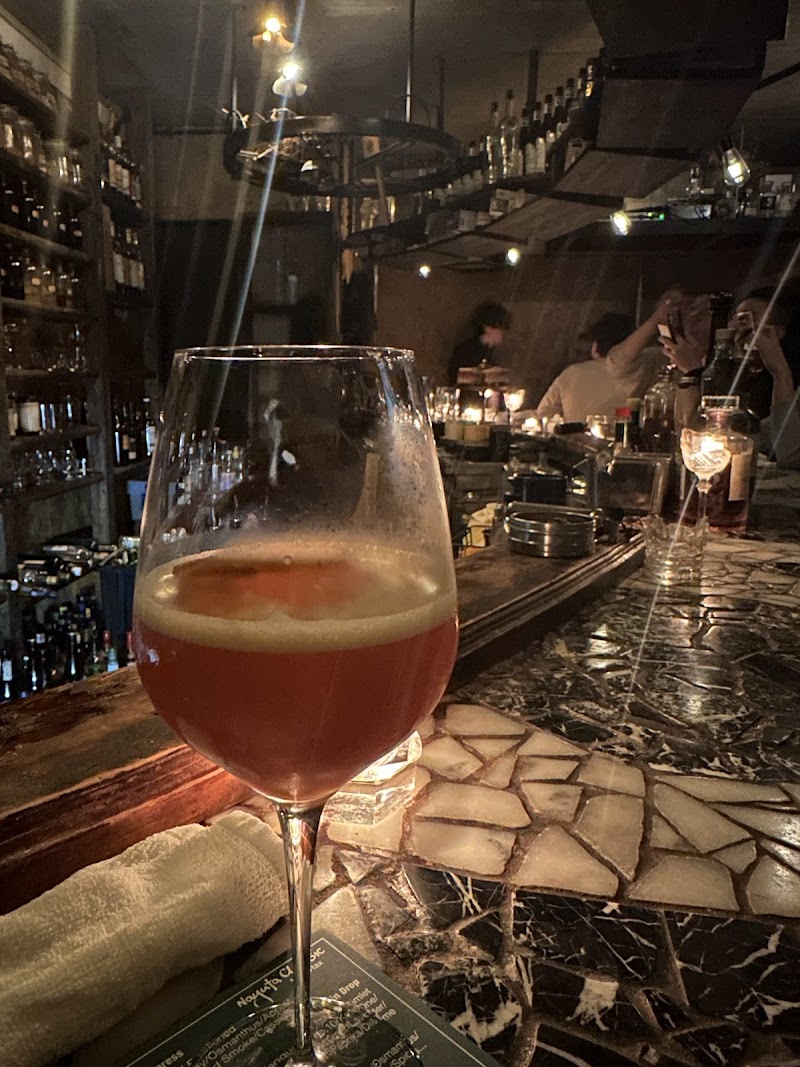
Located on the 5th floor of a nondescript building with no external signage, Nayuta is a true modern speakeasy—the kind of place where the journey to find it is part of the experience. There is no menu. You sit at the counter, describe your flavor preferences to the bartender ("something citrusy and refreshing" or "dark and smoky"), and they craft a custom cocktail specifically for you. The creativity on display is remarkable—each drink is a small work of art, presented with theatrical flair but grounded in genuine skill. This is the bar you visit when you want to understand why Japan's cocktail culture is considered among the finest in the world.
4. Bar Augusta (Kitashinchi)
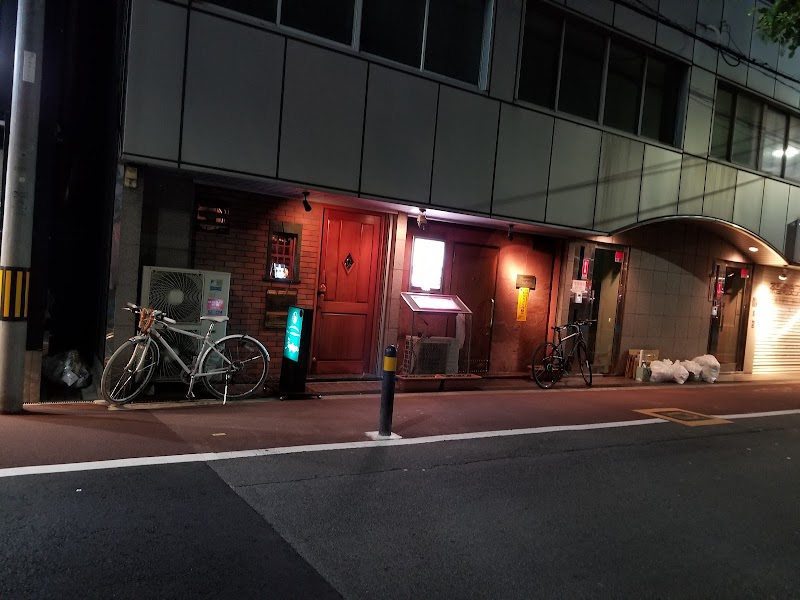
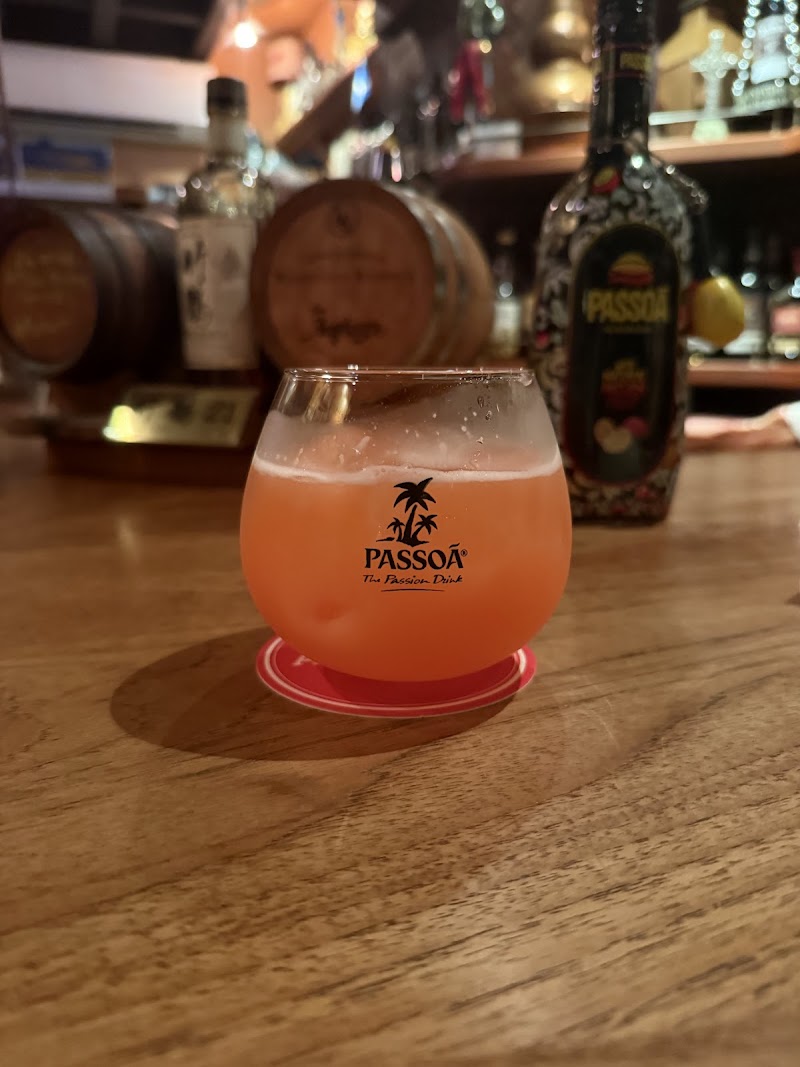
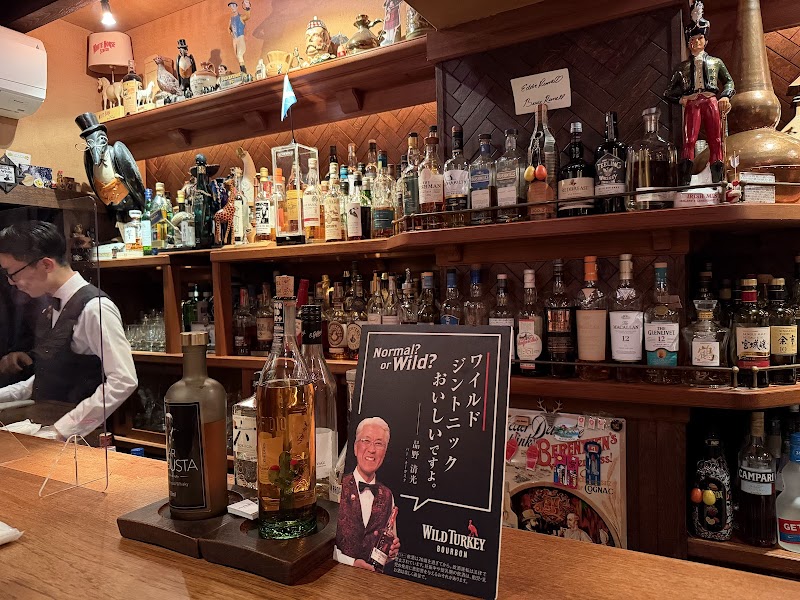
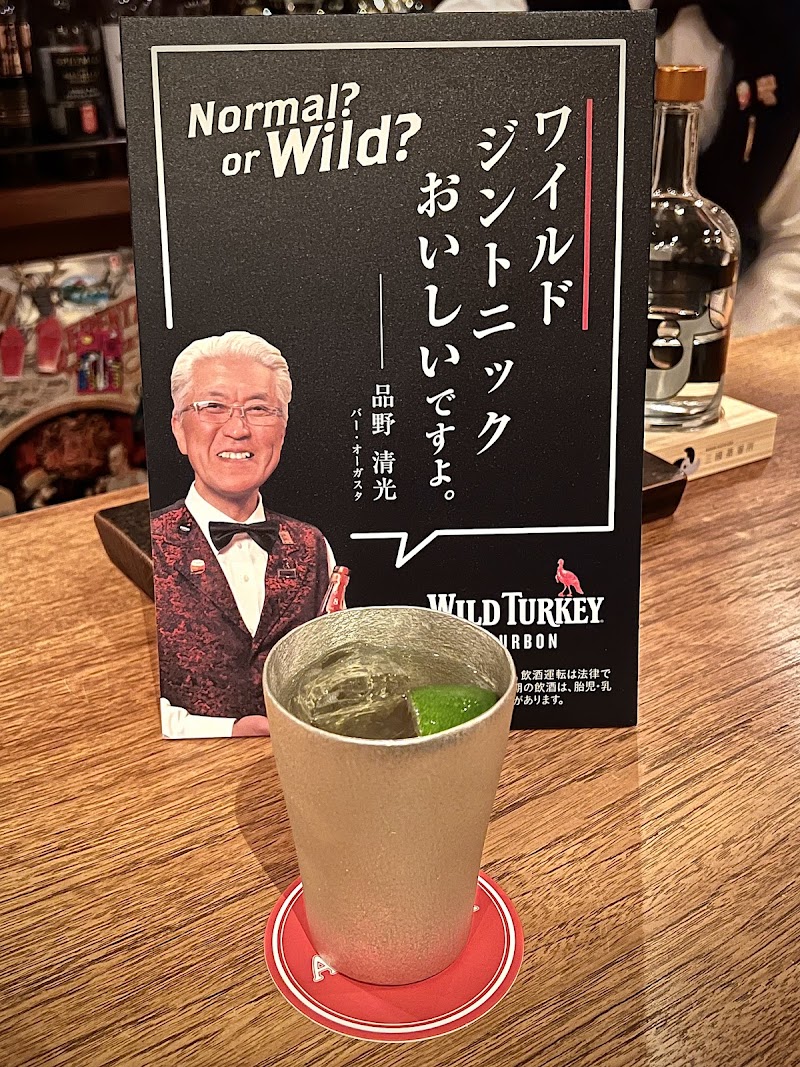
A classic "Authentic Bar" experience in the refined Kitashinchi district, where over 800 bottles of whisky—from peaty Scotch to the country's own Japanese whisky—line the walls from floor to ceiling and the master bartender has been perfecting his craft for over 30 years. The ice is hand-carved. The pour is measured with scientific precision. The conversation, when it happens, is quiet, thoughtful, and enriching. This is the place for a contemplative drink, not a party—the kind of bar where you sit in comfortable silence and let the whisky do the talking. Budget ¥2,500 to ¥5,000 per drink.
5. MARCA Brewing (Kitahorie)
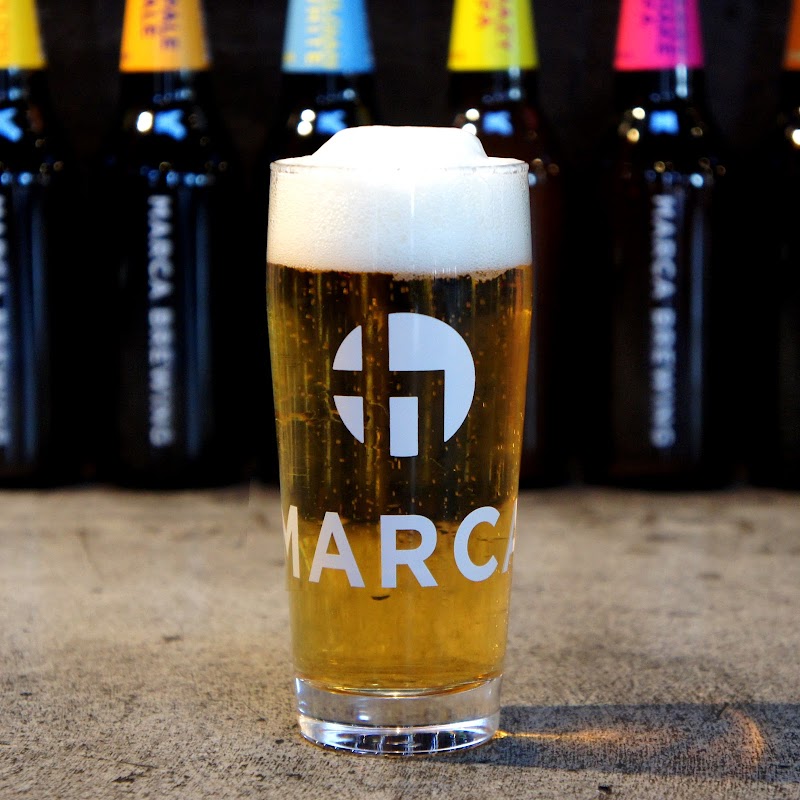
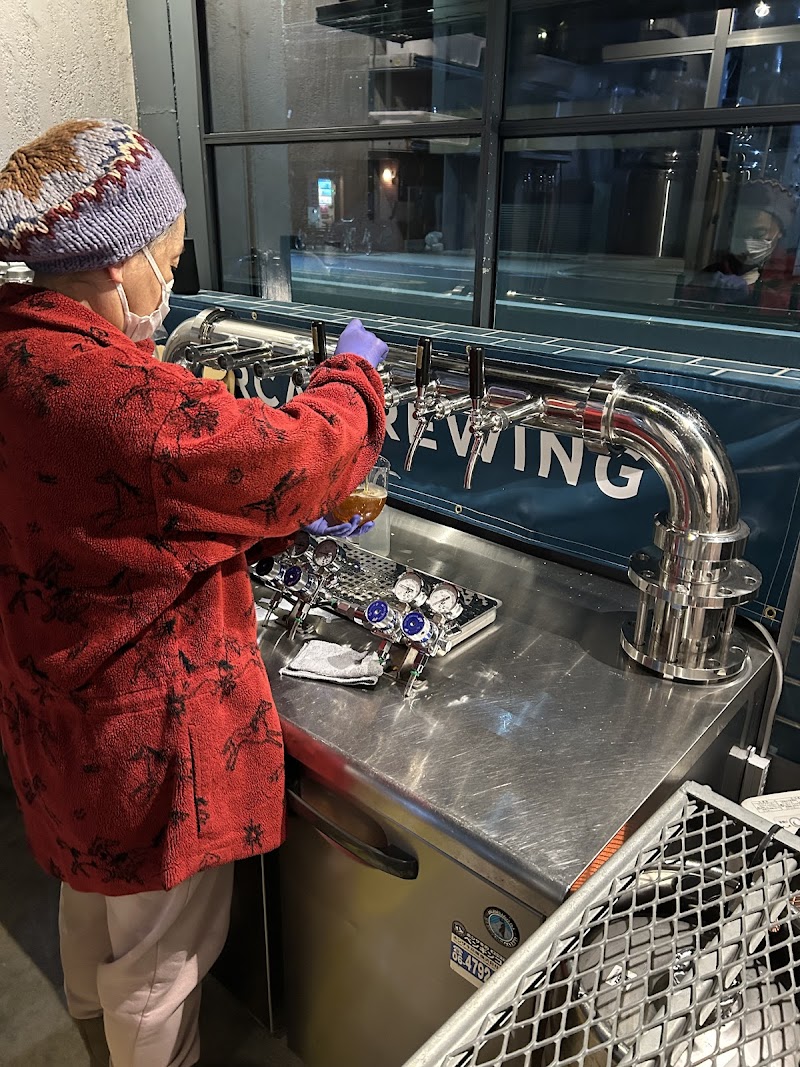
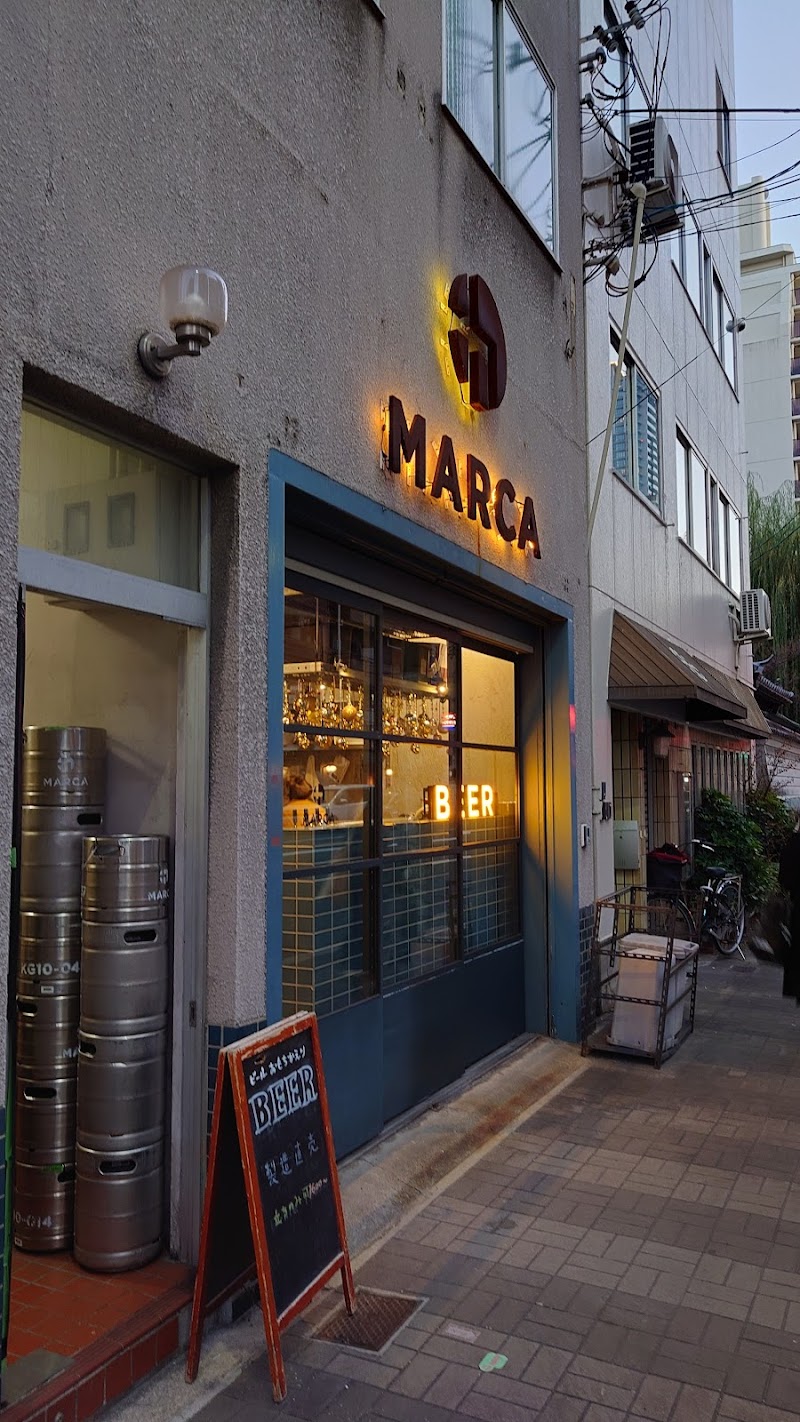
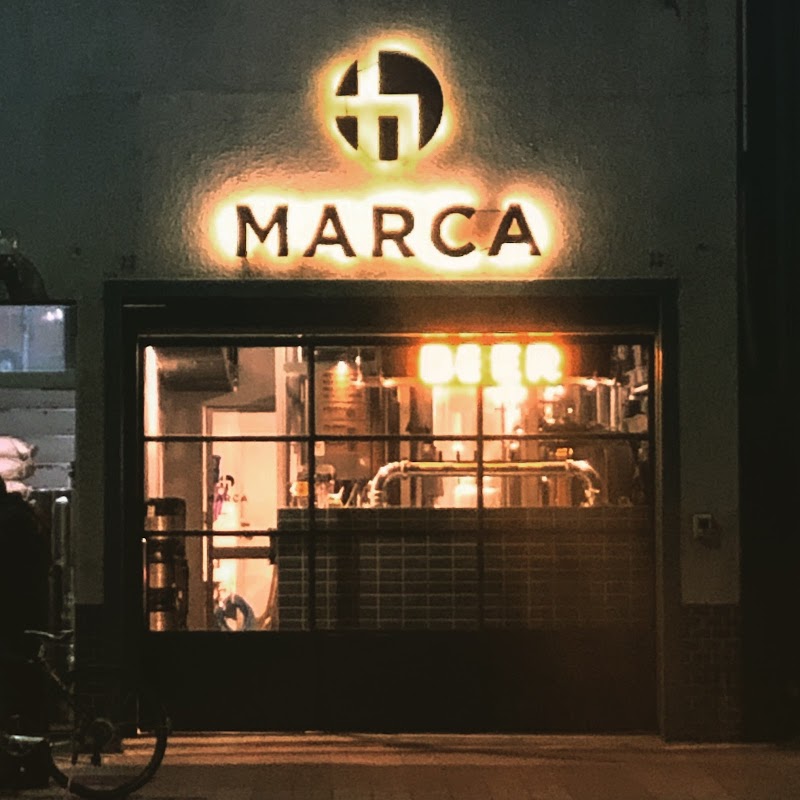
For those who prefer hops over spirits, MARCA is a stylish, woman-owned brewery tucked among the boutiques and cafes of Kitahorie, pouring around ten ever-changing taps of its own craft beer alongside guest brews. The lineup usually spans something light, something dark, a few pale ales and IPAs, and the occasional fruit-forward experiment like a mango shake IPA or hazy mint ale. The staff are genuinely passionate and happy to steer you through the selection. Sarah's Tip: Order a flight to sample several local Osaka brews side by side—it is the best introduction to Japan's rapidly growing craft beer movement.
Best Clubs in Osaka: Dance Until Sunrise
Osaka's club scene may not have the global prestige of Tokyo's Berghain-adjacent venues, but what it lacks in international hype it more than makes up for in accessibility, energy, and pure fun.
Giraffe Osaka (Dotonbori): Right on the canal with massive windows overlooking the neon, Giraffe is the most popular choice for tourists and the easiest entry point into Osaka's club scene. The multi-floor venue plays EDM, Top 40, and Pop hits across different areas, and the crowd is a diverse mix of international visitors and Japanese twenty-somethings. Cover charge is typically ¥2,000 to ¥3,000, often including one or two drinks. The views of Dotonbori from the upper floors at 2:00 AM—the neon still blazing, the crowds still flowing—are spectacular.
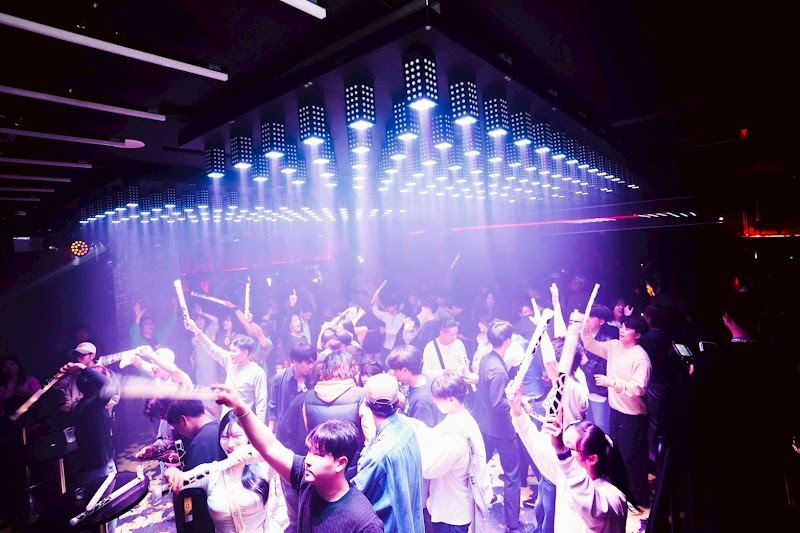
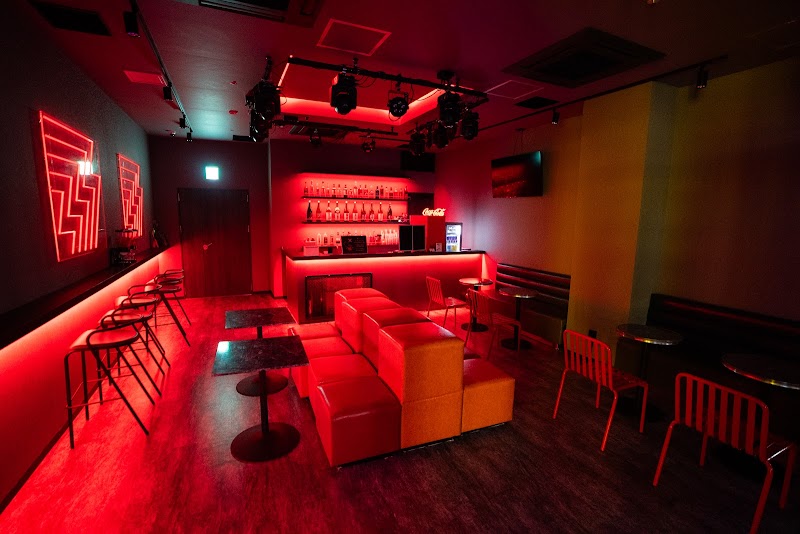
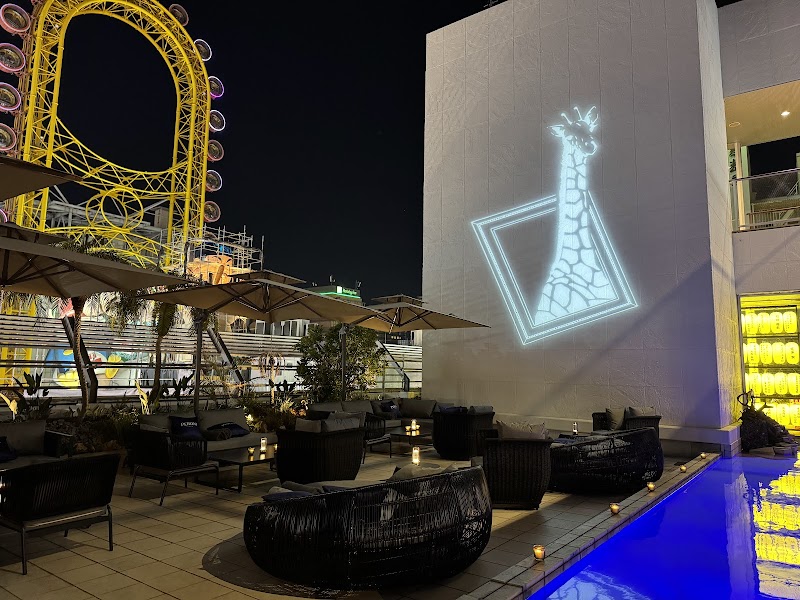
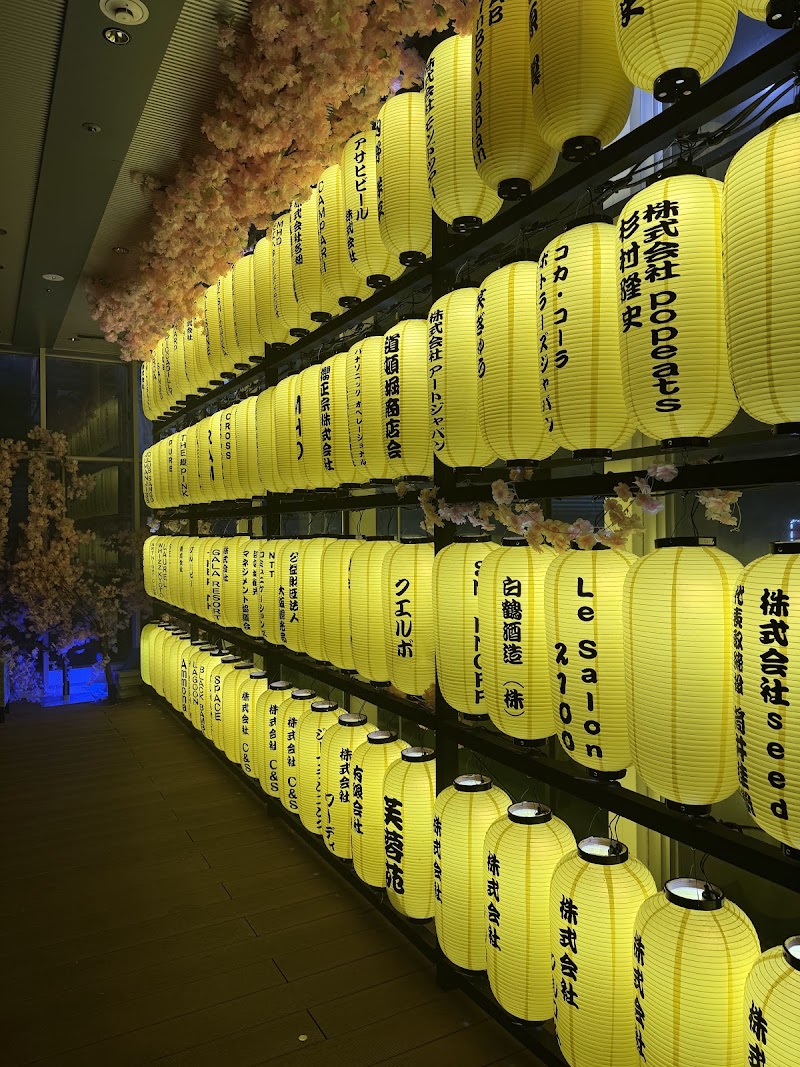
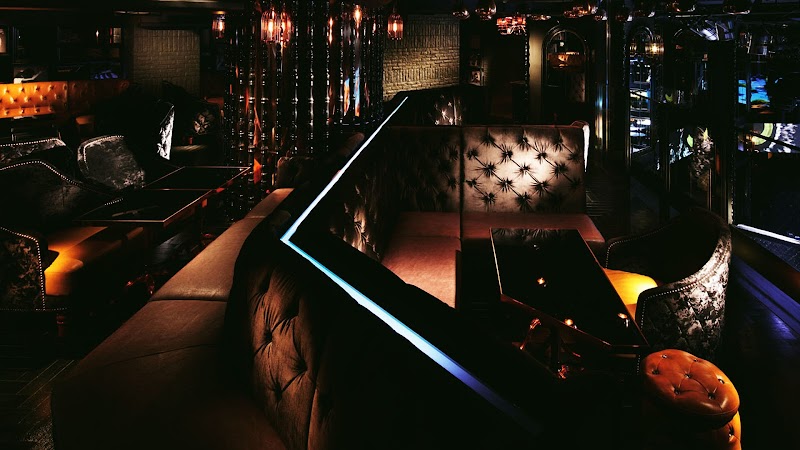
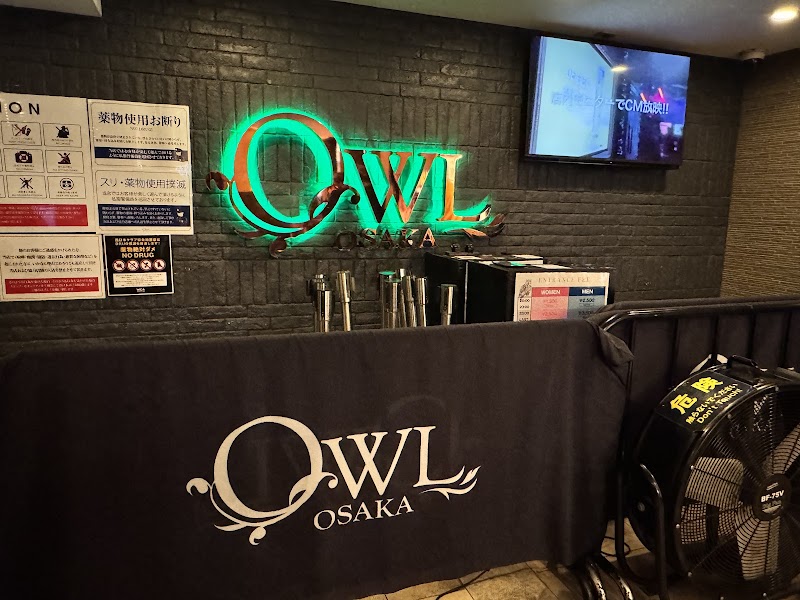
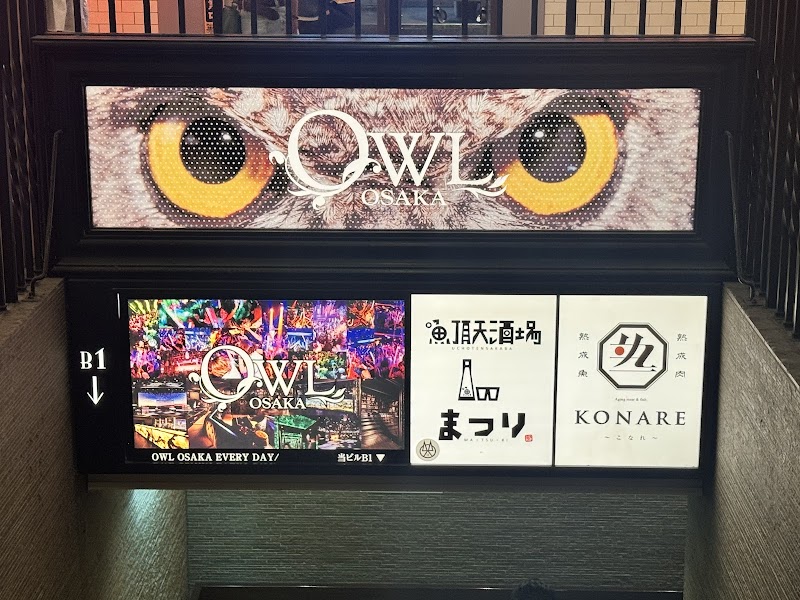
Owl Osaka (Umeda): A high-tech experience in the North district, featuring a massive LED screen wall, a "luxury lounge" VIP area, and a sound system that will rearrange your internal organs. Music leans toward House and Techno, with regular appearances by international DJs. The crowd is slightly older and more fashion-conscious than Giraffe's.

Club Piccadilly (Umeda): Housed in a converted grand movie theater from the Art Deco era, Piccadilly is architecturally stunning and offers a nightlife experience unlike anything else in Osaka. The former cinema screen serves as a backdrop for professional dance shows and aerial performances that punctuate the evening's DJ sets. The combination of the building's historic grandeur and modern electronic music creates an atmosphere that feels both timeless and cutting-edge.
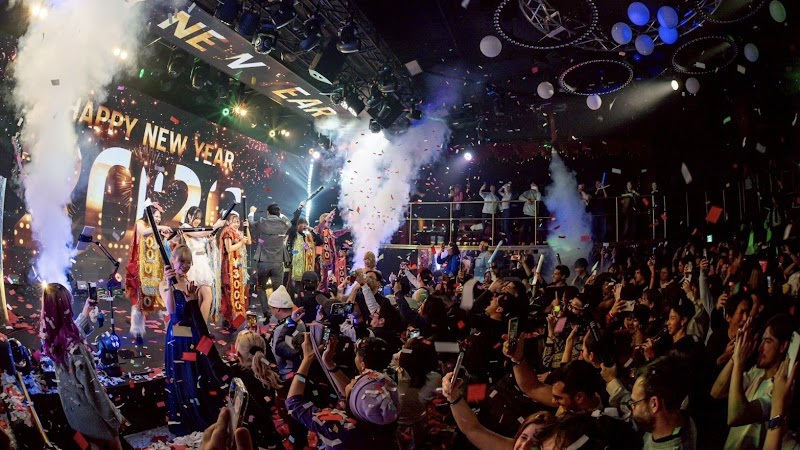
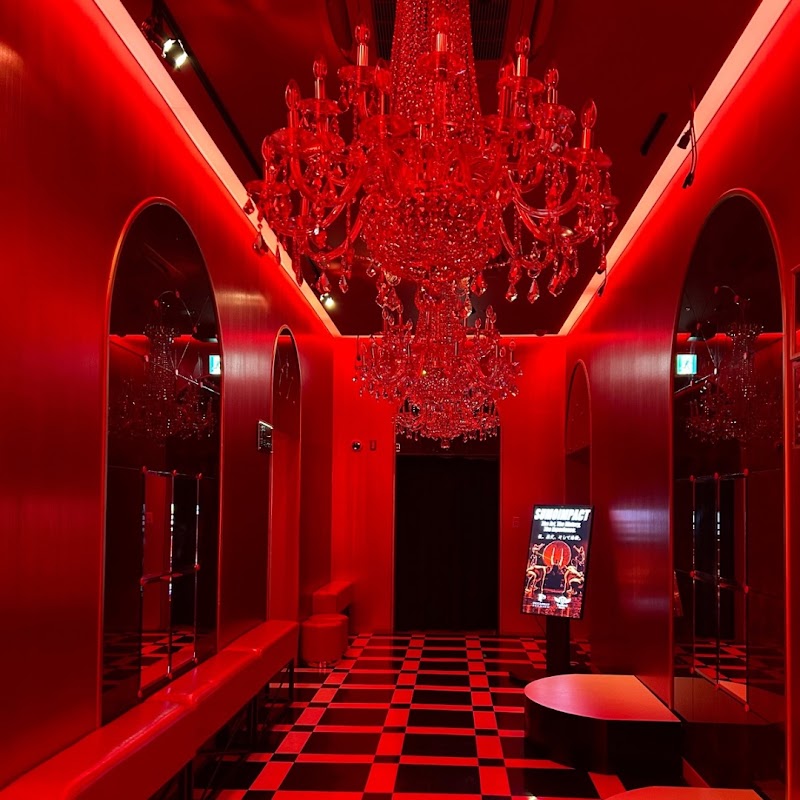
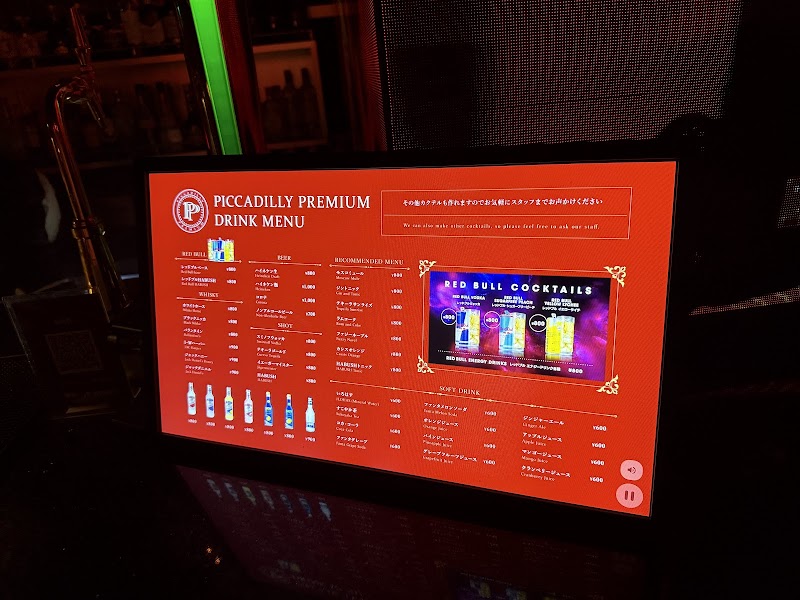
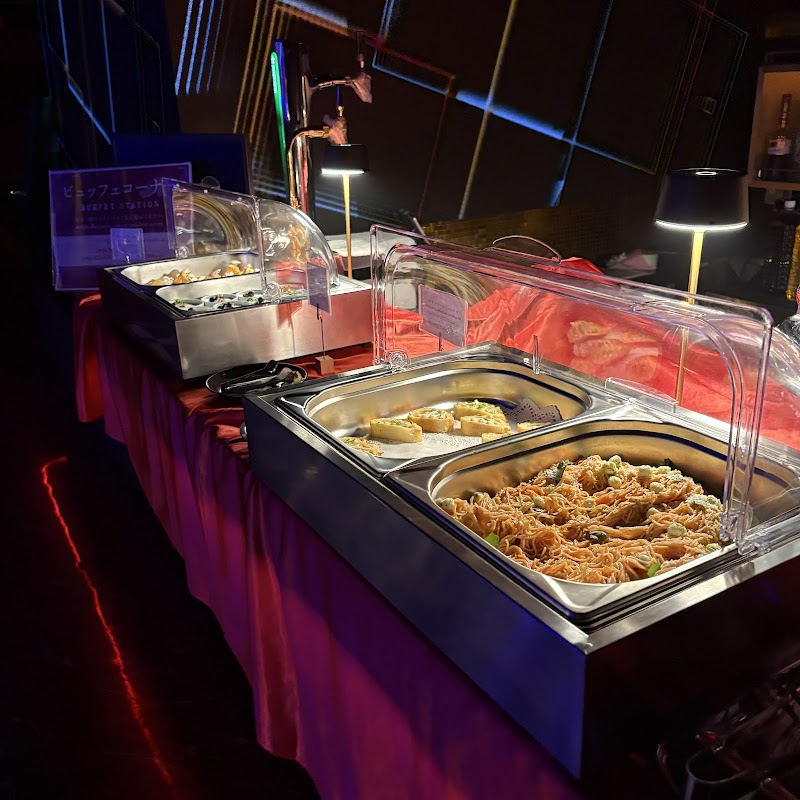
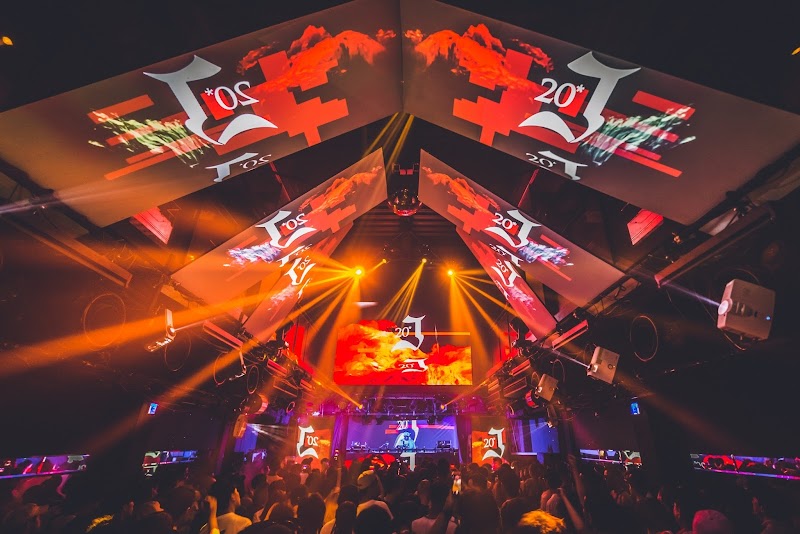
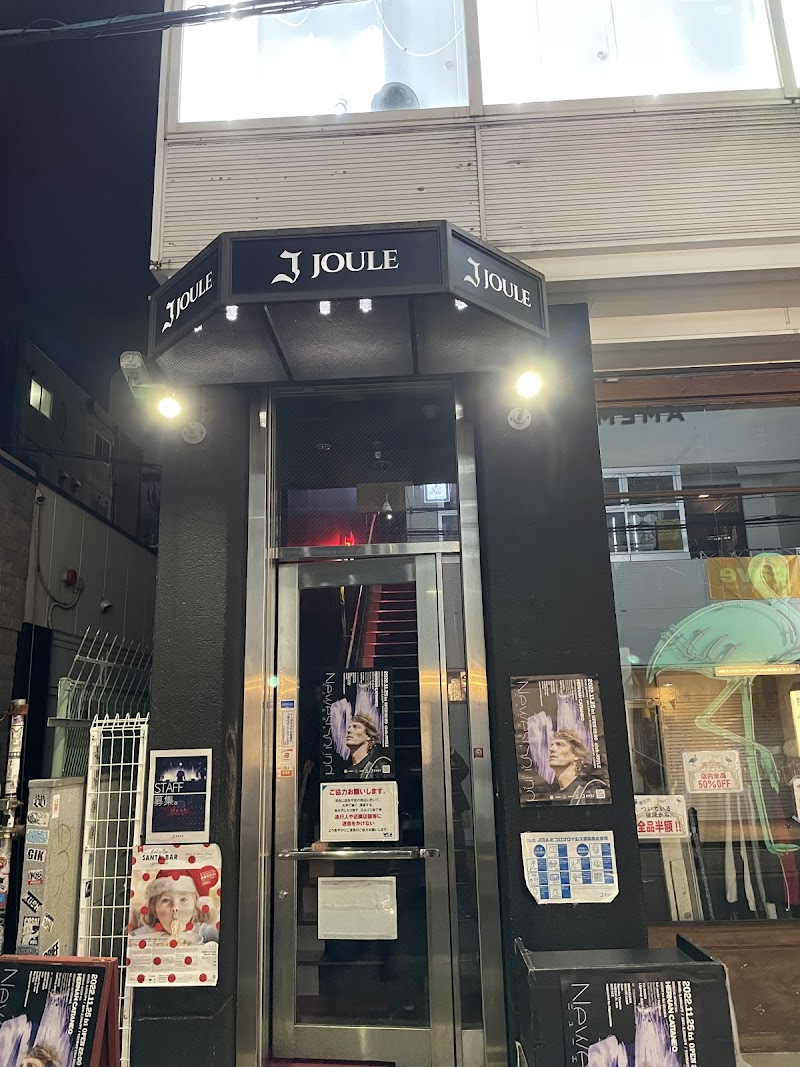
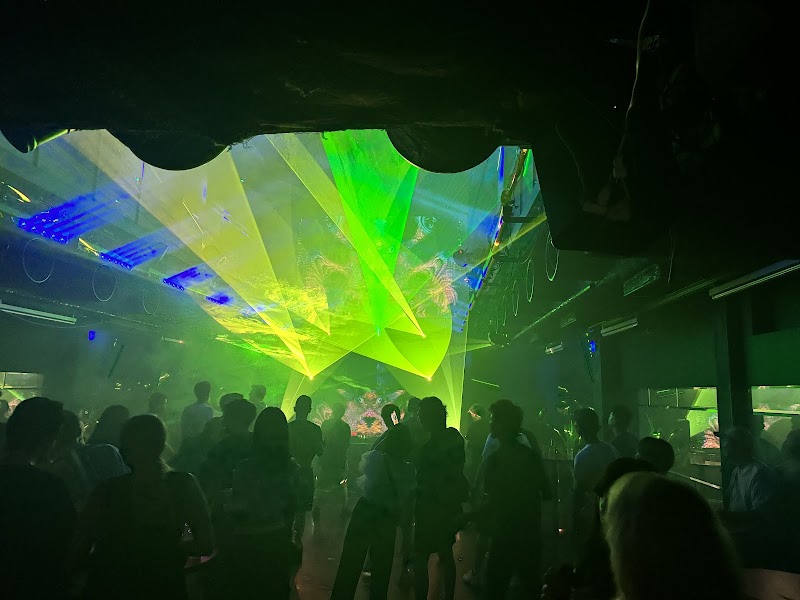
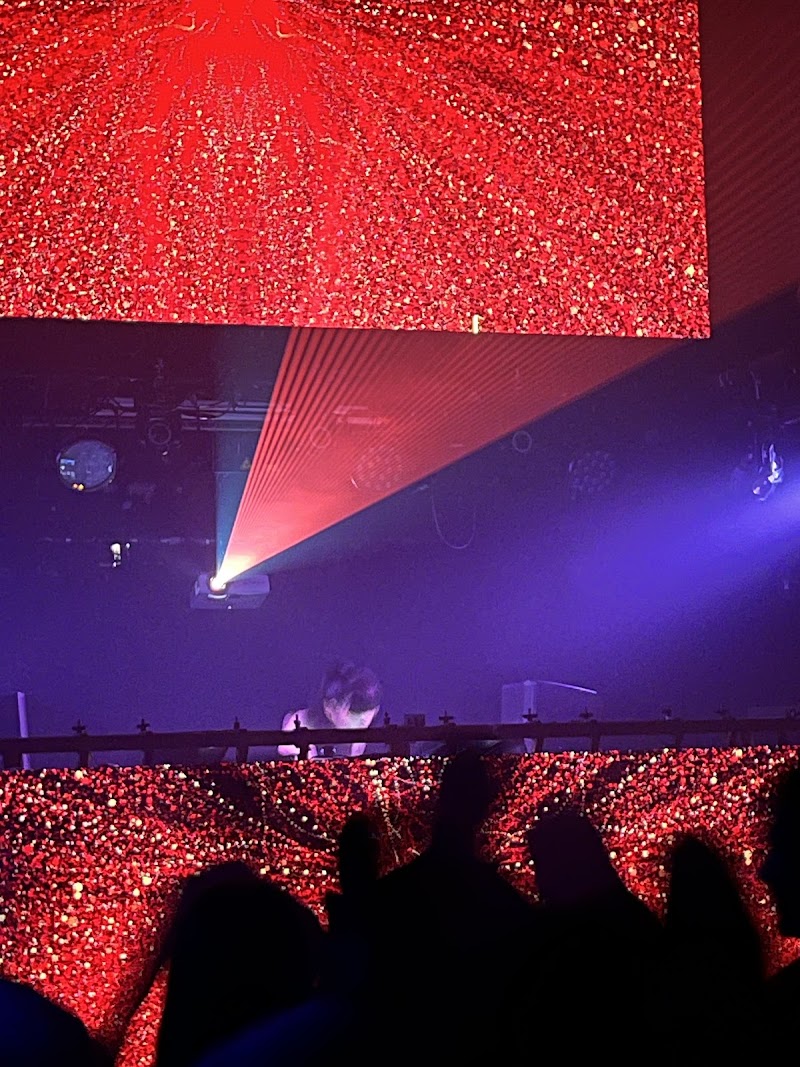
Club Joule (Shinsaibashi): The choice for serious electronic music enthusiasts. Joule regularly hosts underground techno and house DJs, and the crowd is knowledgeable and passionate. The sound system is exceptional, the dance floor is intimate, and the vibe is more "underground Berlin" than "Vegas megaclub." This is where you go when you want the music to matter more than the Instagram photos.
The Art of Karaoke: How to Sing Like a Local
In Osaka, karaoke is not a performance for a room full of strangers—it is a private party. The Japanese karaoke experience is fundamentally different from the Western concept of standing on a stage in a crowded bar. Here, you rent a private room for your group (or for yourself—solo karaoke is a perfectly normal, even beloved, activity in Japan), and the room becomes your personal concert hall, confession booth, and comedy stage for the next two hours.
Karaoke Boxes: Major chains like Jankara (blue-and-yellow signs, found on virtually every block in Namba and Shinsaibashi) and Big Echo offer private rooms ranging from cozy two-person booths to massive party rooms that can hold 30 people. You pay by the hour, and most locations include "All-You-Can-Drink" (Nomihodai) options that provide unlimited beer, cocktails, soft drinks, and sometimes food for a flat rate. The song libraries are enormous—hundreds of thousands of songs spanning Japanese, English, Korean, Chinese, and other languages—and the touch-panel interfaces at Jankara are available in English.
Sarah's Tip: Jankara has a mobile app that lets you book rooms, check wait times, and order food and drinks directly from your phone in English. For the best value, look for "Free Time" (furii taimu) plans during off-peak hours (typically late night to early morning), which offer unlimited time for a flat fee of ¥1,500 to ¥2,500 including drinks. Late-night karaoke is a beloved Osaka tradition—many locals head to karaoke after the last train as a comfortable, affordable way to wait for the first morning train at 5:00 AM.
Late-Night Dining: The Best "Shime" (締め) to End Your Night
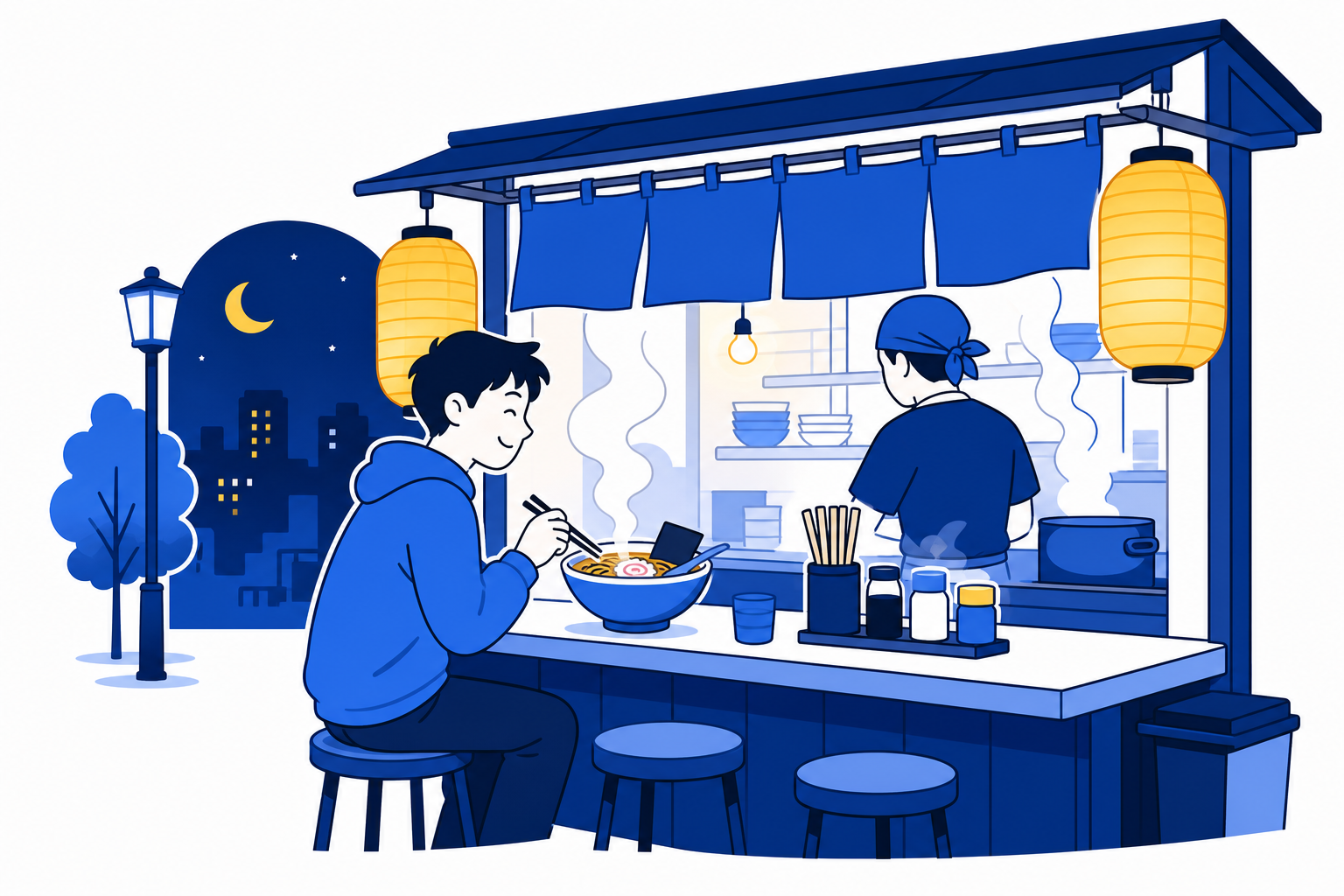
In Osaka, no night is complete without "Shime" (締め)—the final meal that "closes" your evening. This is not an afterthought; it is a ritual, a ceremony, the exclamation point at the end of a great night out. Whether you have been dancing until 4:00 AM or sipping whisky in a quiet bar until the world goes soft around the edges, there is a tradition of ending the night with a satisfying bowl of noodles or a late-night snack that somehow makes everything better. The best shime spots in Osaka have a specific atmosphere—warm, slightly hazy, populated by a communion of fellow night owls who are all sharing the same post-midnight clarity.
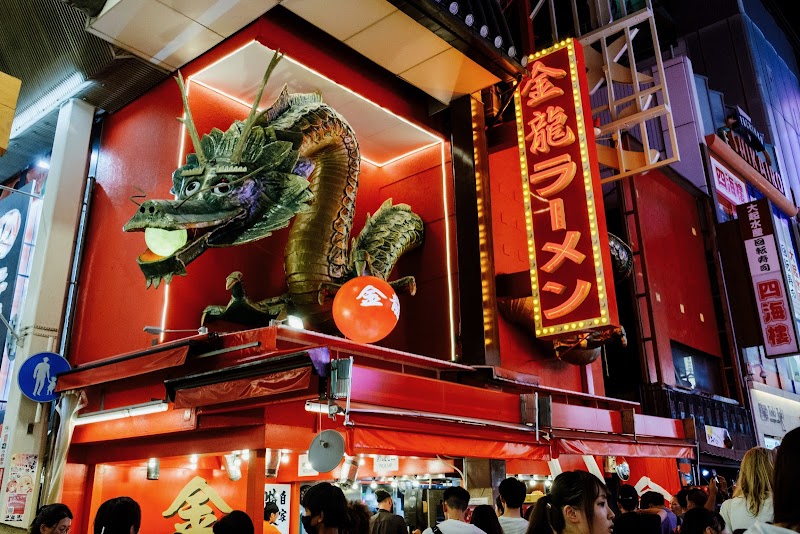
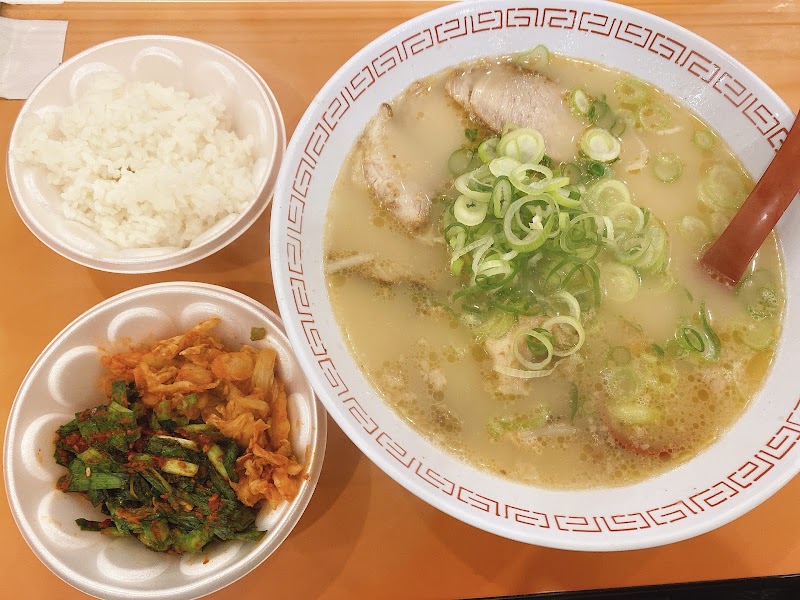
1. Kinryu Ramen (金龍ラーメン) – The Dotonbori Icon
Open 24 hours, this legendary shop with its dragon-adorned facade serves simple, peppery Tonkotsu ramen to the post-party crowds who spill out of the surrounding bars. The free self-service toppings of kimchi and raw garlic are essential additions—they cut through the richness of the broth and add a kick that jolts your taste buds awake. Eating Kinryu ramen at 3:00 AM, standing at the counter shoulder to shoulder with other night owls, is one of the quintessential Osaka experiences and a fixture of the city's ramen scene.
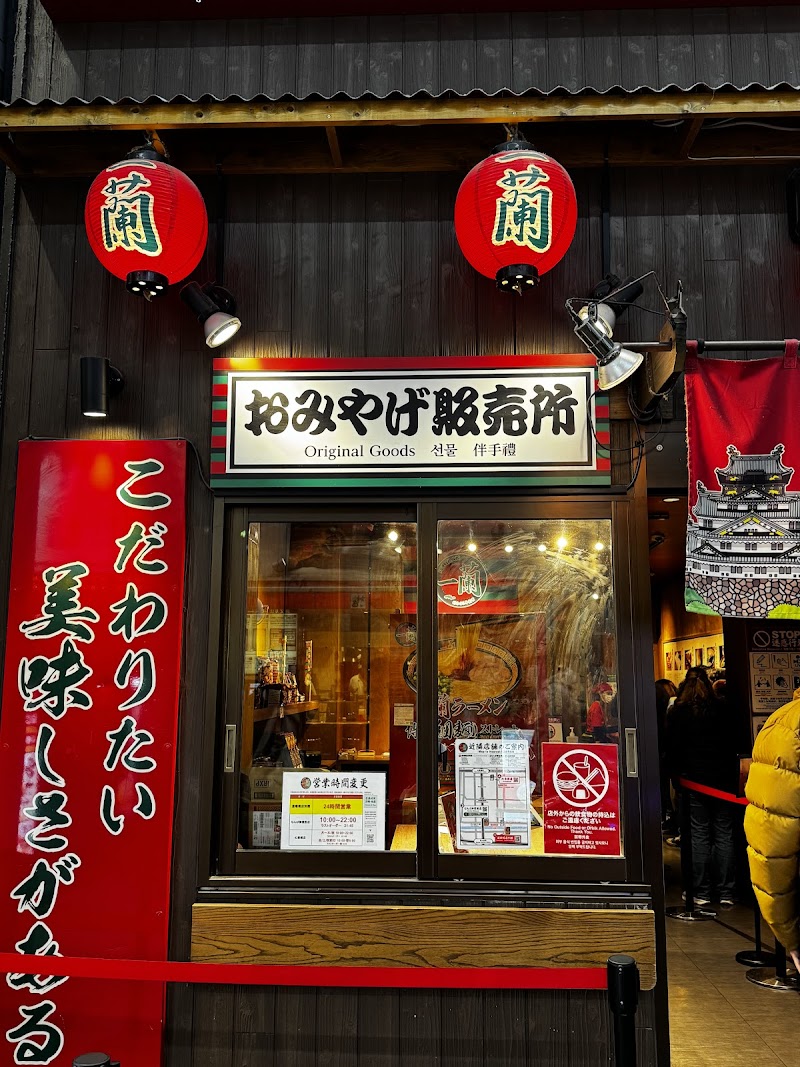
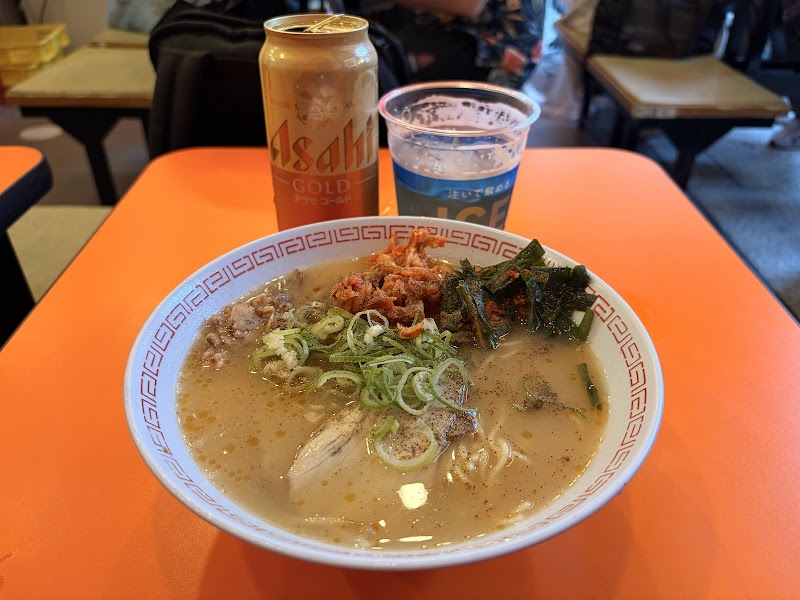
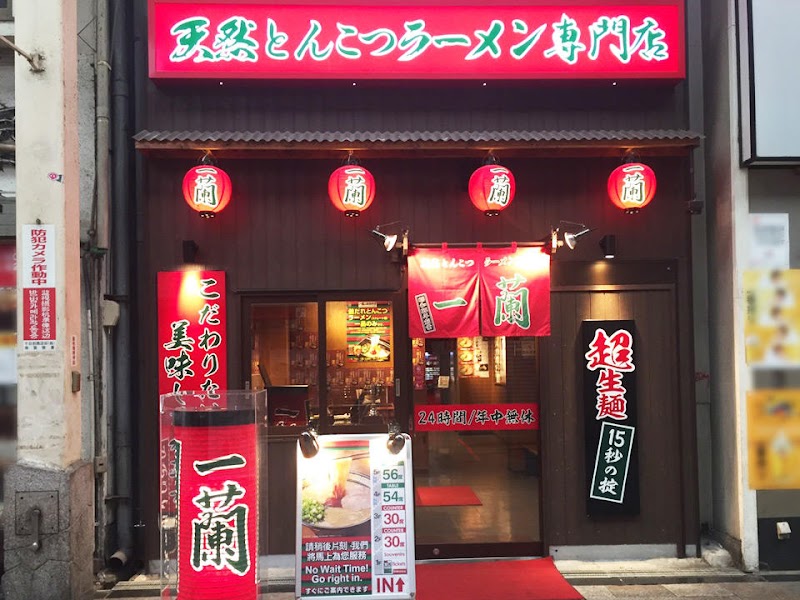
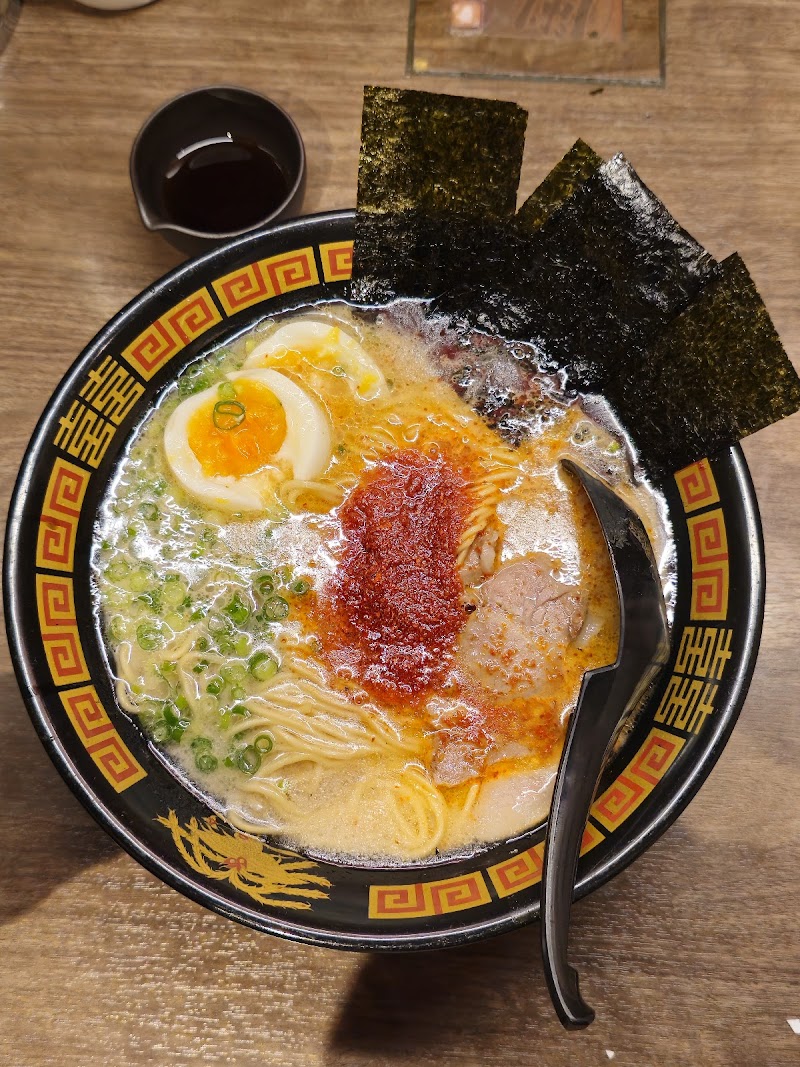
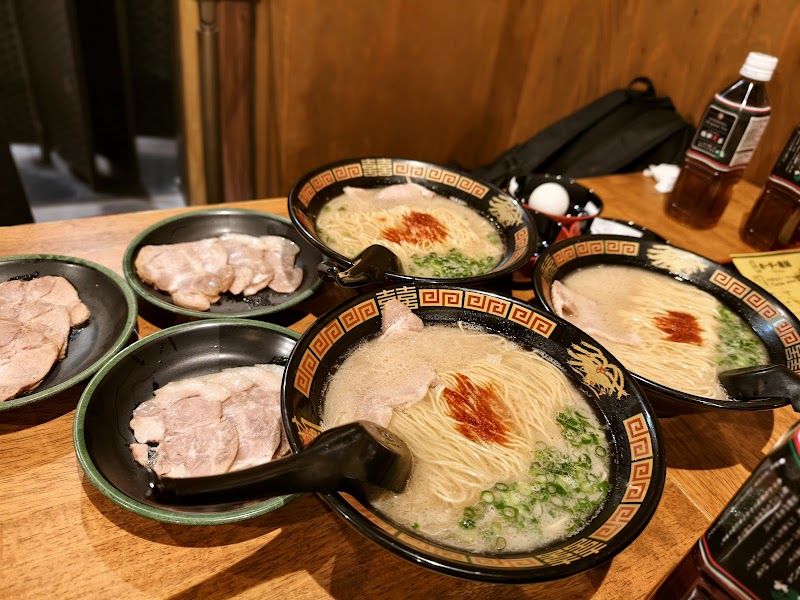
2. Ichiran (一蘭) – The 24-Hour Solo Booth
When you want to focus entirely on your noodles without the pressure of social interaction, Ichiran's private booths are engineered for exactly this purpose. You fill out a paper form specifying your broth richness, noodle firmness, spice level, and garlic preference, hand it to the staff through a small curtain, and receive your customized bowl minutes later without ever making eye contact with another human being. Multiple locations throughout Namba and Shinsaibashi, all open 24 hours.
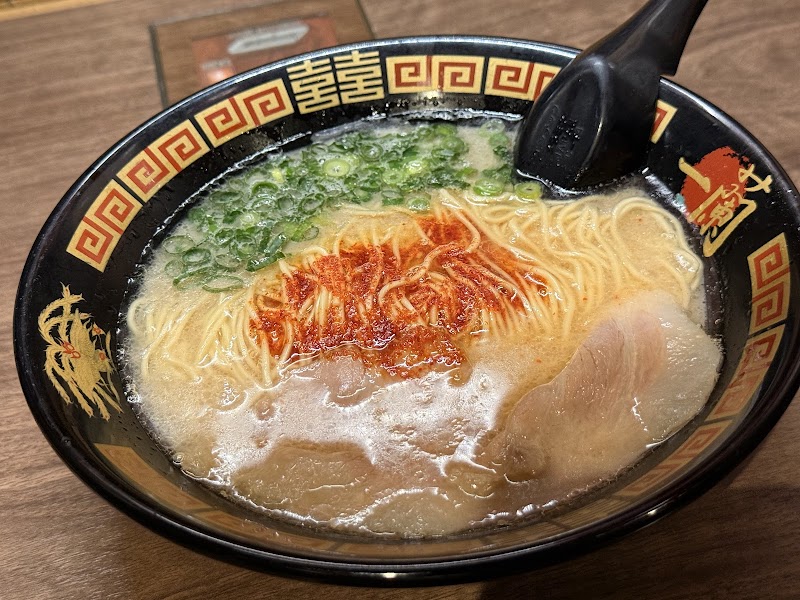
3. Matsuya (松屋) – The Gyudon Savior
This nationwide chain serves beef bowls (gyudon) for under ¥500, and at 3:00 AM, it is the most reliable, affordable, and oddly comforting option available. Order from the vending machine at the entrance, hand your ticket to the staff, and within minutes you have a steaming bowl of thinly sliced beef simmered in a sweet-savory sauce over perfectly cooked rice. It is not glamorous, but it is exactly what you need.
4. Konbini (Convenience Stores) – The Unsung Heroes
Never underestimate the power of a Japanese convenience store at 2:00 AM. Family Mart, Lawson, and 7-Eleven all offer surprisingly delicious onigiri (rice balls), fried chicken (karaage), oden (hot pot), and freshly made sandwiches 24 hours a day. The quality of Japanese convenience store food is a revelation for Western visitors—these are not gas station snacks but genuinely well-prepared meals that would be considered respectable lunch options in many countries. Sarah should specifically try the Lawson "Kara-age Kun" fried chicken bites—they are a 2:00 AM institution.
Safety Tips for Solo Travelers
Osaka is incredibly safe—one of the safest major cities on earth—but a few smart precautions will ensure you have a completely worry-free night.
1. Know Your Limits with Alcohol
Alcohol in Japan is often stronger than you might expect, and the custom of all-you-can-drink (nomihodai) can be genuinely dangerous if you are not pacing yourself. Japanese beer is typically 5% ABV, highballs are generous, and chu-hai (shochu and soda) can be deceptively strong. Alternate alcoholic drinks with water, eat throughout the evening, and do not feel pressured to keep up with locals—they have had years of practice.
2. Keep Your Belongings Close
While theft is remarkably rare in Japan—you can leave a bag unattended at a cafe and return to find it untouched—crowded clubs and busy late-night train stations are the exceptions. Use a crossbody bag, keep your phone in a secure pocket, and be aware of your surroundings in dense crowds.
3. Have Your Hotel Address Ready
Save your hotel's name and address in Japanese on your phone before going out. If you get lost or need to take a taxi home, showing the Japanese text to the driver ensures you will get home safely without communication issues. Most taxi drivers do not speak English, but they can read a Japanese address without difficulty.
4. Avoid Unlicensed "Scouts" and Touts
In Shinsaibashi and parts of Dotonbori, you may encounter people on the street trying to lure you into bars or clubs. These are called "kyakuhiki" (客引き), and while most are simply aggressive marketers for legitimate businesses, some are associated with establishments that have hidden charges or, in rare cases, connections to organized crime. The rule is simple: never follow a tout. If a bar needs to drag people in off the street, the experience inside is probably not worth having. Stick to places you have researched in advance or that display visible menus with clear prices.
5. The Last Train Dilemma
The Osaka Metro stops running around midnight. If you miss the last train, you have four options, each with its own charm:
- Stay out until 5:00 AM when the first trains resume—this is the Osaka way, and the city is designed to accommodate it.
- Take a taxi – Expect ¥2,000 to ¥5,000 depending on distance. Use the GO Taxi App, which is Japan's most reliable ride-hailing service and works with international credit cards.
- Internet Cafe (Manga Kissa) – Many offer private booths with showers, blankets, and unlimited drinks for ¥2,000 to ¥3,000 overnight. Surprisingly comfortable.
- Capsule Hotel – A uniquely Japanese experience with individual sleeping pods, communal baths, and lounge areas. Available for ¥3,000 to ¥4,500 near Namba and Shinsaibashi.
6. Emergency Numbers
- Police: 110
- Ambulance/Fire: 119
- Most police boxes (Koban) in entertainment districts have officers on duty 24/7 who can help you find your way home, call a taxi, or assist with any issues. The officers are accustomed to helping tourists and are generally friendly and patient.
Practical Tips for a Perfect Night Out
1. Navigating the "Otoshi" System
When you sit down at an Izakaya or bar, you will receive a small appetizer dish—perhaps edamame, a small salad, or a piece of tofu. This is Otoshi (お通し), and it is not optional. It serves as a mandatory seating/cover charge, typically costing ¥300 to ¥800. Think of it as an automatic appetizer that covers the cost of your table. You cannot refuse it, and it is included in your final bill. Understanding this system prevents surprise or frustration when the bill arrives.
2. The Art of Ordering Nomihodai (All-You-Can-Drink)
Nomihodai deals are available at most izakayas and many bars. For a flat rate of ¥1,500 to ¥2,500, you receive unlimited drinks for a set period (usually 90 minutes or 2 hours). The selection typically includes draft beer, shochu highballs, chu-hai (various flavors), wine, and sometimes sake. The key is to order your last round before the time limit expires—the staff will give you a "last order" call about 10 minutes before your nomihodai ends.
3. Smoking Culture
Japan has been tightening smoking regulations, and as of 2026, smoking indoors is prohibited in restaurants and most bars in Osaka. However, some smaller bars (especially those without food) may still allow smoking. If smoke bothers you, look for the "Kin'en" (禁煙 / No Smoking) sign at the entrance.
FAQ: Your Osaka Nightlife Questions Answered
Is there a dress code for Osaka clubs? Most mainstream clubs like Giraffe and Owl have a relaxed "Smart Casual" dress code. Avoid sportswear, sandals, or overly casual clothing. High-end lounges and whisky bars in Kitashinchi may require more formal attire—no shorts, no sneakers. When in doubt, dark jeans and a nice shirt or blouse will get you into 95% of venues in the city.
Is it safe to go out alone in Osaka? Yes, absolutely. Japan consistently ranks as one of the safest countries in the world, and Osaka's entertainment districts are well-lit, well-policed, and heavily populated until the early morning hours. Sarah can comfortably walk alone at 2:00 AM in the main entertainment districts. That said, use common sense—stay in well-lit areas, do not leave drinks unattended, and trust your instincts if a situation feels off.
How much money should I budget for a night out? Here is a realistic breakdown for a full evening:
- Cover charge at a club: ¥2,000 to ¥3,500 (often includes 1 to 2 drinks)
- Drinks at a bar (3 to 4 drinks): ¥2,400 to ¥6,000
- Izakaya food and nomihodai: ¥3,000 to ¥5,000
- Karaoke (2 hours with drinks): ¥2,500 to ¥4,000
- Late-night ramen (shime): ¥900 to ¥1,200
- Total for a full night: ¥10,000 to ¥15,000
What happens if I miss the last train? The Osaka Metro stops around midnight, and last trains can be earlier for some lines. See the "Last Train Dilemma" section above for your four options. The most popular choice among locals is simply staying out until 5:00 AM—Osaka is designed for this, and you will find no shortage of company.
Do clubs in Osaka accept foreigners? Yes, enthusiastically. Unlike some areas in Tokyo where "Japanese Only" policies occasionally surface, Osaka is overwhelmingly welcoming to international visitors. The vast majority of clubs and bars are happy to serve foreign guests and many actively court international clientele. Just bring your passport or Residence Card for ID—Japanese clubs are strict about verifying age (20+ for alcohol), and they will not accept foreign driver's licenses as identification.
How does karaoke pricing work? Karaoke is charged by the hour, usually in 30-minute increments. Two main plans are available:
- Room Only: ¥300 to ¥600 per person per 30 minutes, plus drinks ordered separately.
- All-You-Can-Drink (Nomihodai): ¥1,500 to ¥2,500 per person for 2 hours, including unlimited soft drinks and/or alcohol.
The nomihodai plans are almost always better value if you plan to drink. Jankara and Big Echo are the most foreigner-friendly chains with English touch-panel song selection interfaces.
What is the legal drinking age? The legal drinking age in Japan is 20. Clubs and bars will check ID, and they take this seriously. If Sarah is between 20 and 25, she should have her passport readily accessible, as she may be asked for verification at multiple venues throughout the night.
Final Thoughts: The Joy of Connection
Osaka's nightlife is not just about the alcohol, the music, or the neon—though all three are extraordinary. At its core, Osaka's after-dark magic is about connection. It is about the "Kanpai" with a stranger who becomes a friend for the night. It is about the bartender who pours your drink with the precision of a surgeon and the warmth of a host who genuinely wants you to have the best night of your life. It is about the moment at 3:00 AM when you are eating ramen at a counter next to a group of locals who insist you join them, and you realize that this—this specific moment, in this specific city, with these specific people—is exactly where you are supposed to be.
So put on your comfortable shoes, charge your phone, save your hotel address in Japanese, and step into the neon. Osaka is waiting for you, and it has no intention of letting you have a boring night.
For the secret spots that most tourists miss, explore the hidden corners of Namba. And to fuel your adventures with the best food the city has to offer, Osaka's street food covers every neighborhood and every essential dish.